The difference starts with flavor, not a heat ranking
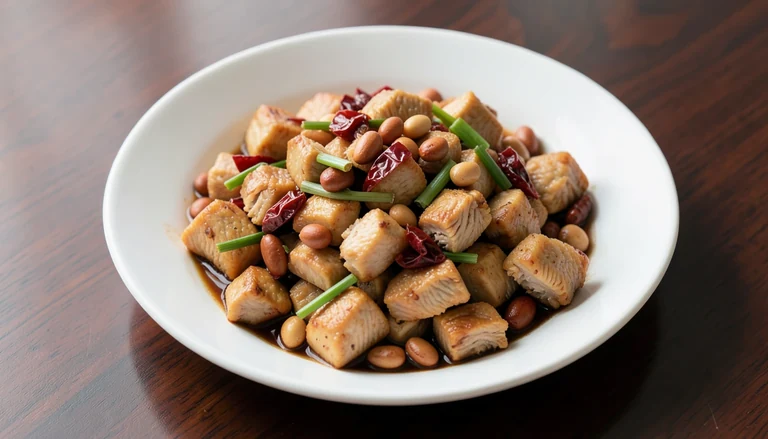
Hunan and Szechuan are regional labels, not two settings on a spice dial. Hunan cooking offers a strong chili-forward starting point, often with sour or preserved flavors; Sichuan cooking includes the chili-and-numbing-pepper combination called mala alongside many other seasoning styles. At a US takeout restaurant, Hunan chicken and Szechuan chicken may instead be two house stir-fries. Ask what distinguishes those particular dishes before choosing.
Szechuan is an older English spelling of Sichuan, the province in southwestern China. Hunan is a different province, and its cuisine is also called Xiang cuisine. A comparison between the regions can guide exploration, but it cannot predict the sweetness, vegetables or chili level of a local restaurant’s sauce.
| Question | Hunan starting point | Sichuan starting point | Check at the restaurant |
|---|---|---|---|
| What flavor should I explore? | Chili, sourness and preserved ingredients | Mala, yuxiang and other seasoning families | Which named dish represents that flavor here? |
| Will it be numbing? | The regional name alone does not tell you | Mala preparations combine chili with Sichuan pepper | Does this particular dish use Sichuan pepper? |
| How is it cooked? | Examples include stir-fried pork and steamed fish with chopped chili | Examples include stir-fries, braises and dry-fried dishes | Is the chicken coated, stir-fried, steamed or braised? |
| Which is hotter? | No fixed ranking | No fixed ranking | What heat level can this kitchen actually make? |
Read a regional menu beyond the chicken section
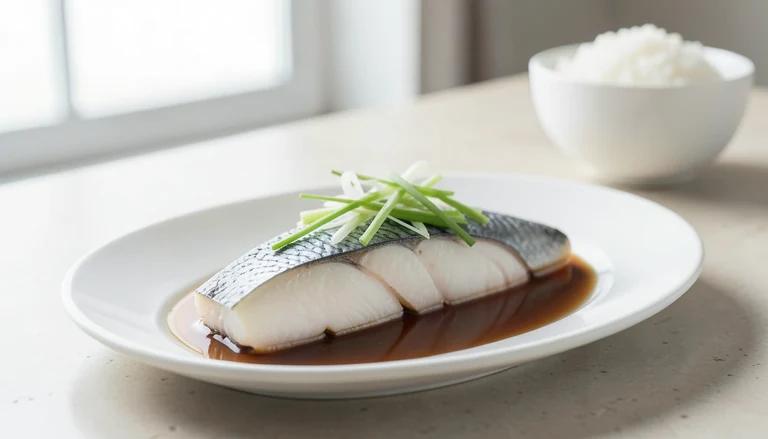
The Hunan government’s cuisine introduction describes hot-and-sour flavors and names pork stir-fried with chili peppers, fish head steamed with chopped chili, braised pork and cured specialties. Those examples offer several ways to explore Hunan cooking: a pepper-led stir-fry, a steamed dish with a forceful topping, or a braise. The cuisine is broader than a single brown sauce labeled Hunan.
Elaine’s China Sichuan Food guide separates mala from yuxiang, scorched-chili, sesame-paste and other flavors. It also describes steaming, braising and stir-frying. Treat that range as permission to ask for something other than a numbing dish when you want to explore Sichuan food. A request such as “Which dish has garlic and vinegar rather than lots of numbing pepper?” is more useful than “Give me something Szechuan.”
Use a real menu to compare Hunan and Szechuan beef
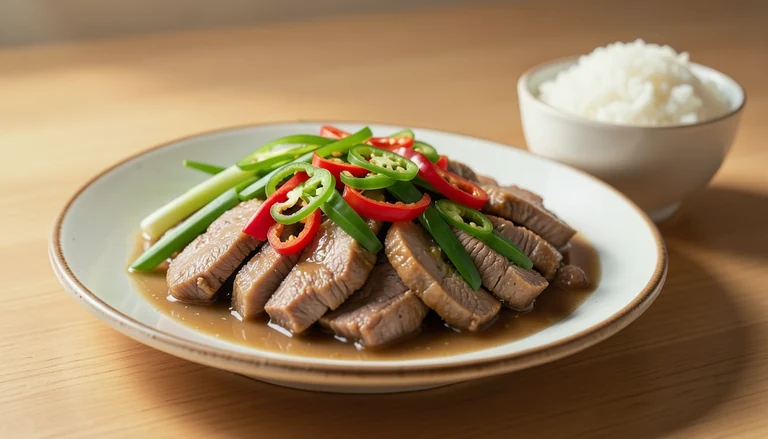
Hunan Wok in Baltimore describes Hunan beef with broccoli, mushrooms and bamboo shoots, and Szechuan beef with shredded carrot, celery and green onion. It marks both spicy. Its Hunan and Szechuan chicken listings are also spicy but offer no equivalent sauce detail.
That establishes a vegetable contrast at this operator, not a universal recipe or measured heat difference. The missing chicken detail matters: you cannot transfer every beef ingredient to the chicken or conclude that one sauce is sweeter. Use the menu as the start of a question, especially when regional words recur across chicken, beef, shrimp and tofu.
| Named preparation | What the operator tells you | What it leaves unresolved |
|---|---|---|
| Hunan beef | Broccoli, mushrooms and bamboo shoots; marked spicy | Complete sauce ingredients and adjustable heat |
| Szechuan beef | Shredded carrot, celery and green onion; marked spicy | Whether Sichuan pepper is used |
| Hunan chicken / Szechuan chicken | Both marked spicy | The vegetable, sauce and preparation difference |
Hunan sauce and Szechuan sauce are house descriptions
There is no single sauce formula that every restaurant must use under either name. In particular, do not assume Szechuan sauce always contains Sichuan pepper, or Hunan sauce is always free of sugar. A regional name can survive on a menu after a kitchen has adapted the ingredients and preparation to its customers.
Separate four decisions: chili heat, numbing sensation, sweetness and sourness. You might enjoy chili but dislike tingling pepper; you might enjoy vinegar but want less sweetness. Describe that combination directly. Asking whether the kitchen can reduce chili is different from asking whether it can change a sauce that is already mixed.
For texture, ask whether the meat is lightly marinated and stir-fried or fried with a substantial coating. The regional label does not answer that question. If sauce quantity matters, ask whether the dish is a moist stir-fry or comes with enough sauce to spoon over rice.
Choose an order around the experience you want
For a Hunan-focused meal, ask the staff about a pork-and-pepper preparation or a chopped-chili fish dish, if those appear on the menu. Before choosing fish head, ask how it is served and whether you are comfortable working around bones. Add a vegetable or another gently seasoned dish for contrast, and ask how the portions suit your table.
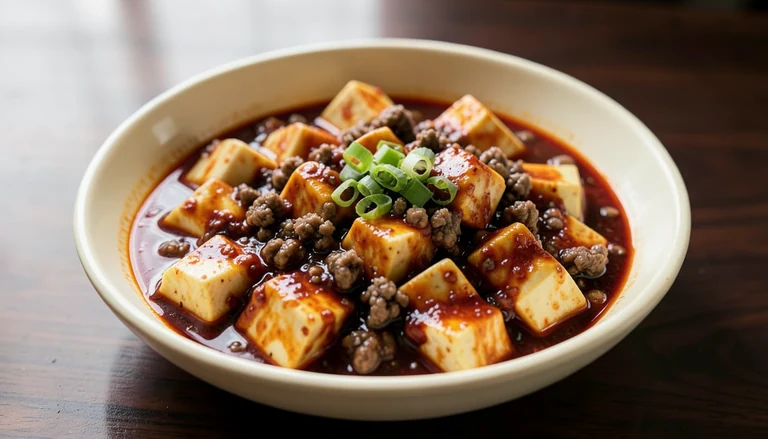
For a Sichuan-focused meal, start with a named preparation such as mapo tofu if you want to explore mala, or ask about a yuxiang dish if you want a different sauce direction. Choose a specific preparation within the region, then ask how the kitchen makes it. Our Sichuan ordering guide develops those choices without turning every meal into a contest of chili tolerance.
At a general takeout restaurant, keep the choice simpler: compare the listed vegetables and ask about coating and sauce. If your priority is broccoli and mushrooms rather than shredded carrot and celery at the cited Baltimore operator, its Hunan beef gives you a specific reason to choose it. A different kitchen may reverse that preference.
Ask three questions before placing the order
A short description of what you enjoy gets a better answer than requesting the more authentic or hotter dish. Start with “I like chili heat but little numbing pepper,” or “I want a savory stir-fry with less sweetness.” Then ask the staff to identify the preparation that comes closest.
When an ingredient restriction affects the choice, ask about the actual sauce, stock and preparation as well as the visible vegetables. An order with chicken substituted for beef still needs its own ingredient check. Keep the questions tied to what you intend to order rather than trying to deduce the kitchen’s entire practice from a regional label.
- What differs between your Hunan and Szechuan versions: vegetables, sauce or cooking method?
- Does this dish contain Sichuan pepper, and can chili heat and numbing pepper be adjusted separately?
- Is the sauce premixed, and which dish fits my preference for less sweetness or more sourness?
Questions people ask
Is Hunan food hotter than Szechuan food?
There is no dependable regional ranking. Chili variety, quantity, preparation and the restaurant’s recipe determine an individual dish’s heat. Ask about the named dish and the kitchen’s adjustment options.
Are Szechuan and Sichuan the same cuisine?
They are English spellings of the same provincial name. Sichuan is the spelling used in modern pinyin; Szechuan remains common on English-language restaurant menus.
Does Szechuan chicken always contain Sichuan pepper?
No. The label alone does not establish the ingredients, especially on a general takeout menu. Ask whether the kitchen uses Sichuan pepper if you want or wish to avoid its numbing sensation.
What is the difference between Hunan chicken and Szechuan chicken sauce?
It depends on the restaurant. Compare the kitchen’s actual sweetness, sourness, chili and numbing-pepper choices, and ask whether the chicken is coated or stir-fried. Neither sauce name supplies a universal recipe.
Menu words in this guide
Last reviewed
Sources & further reading
Background and preparation references. Our descriptions are editorial summaries, not restaurant reviews.