Dry chili, fresh pepper, and meat that was smoked
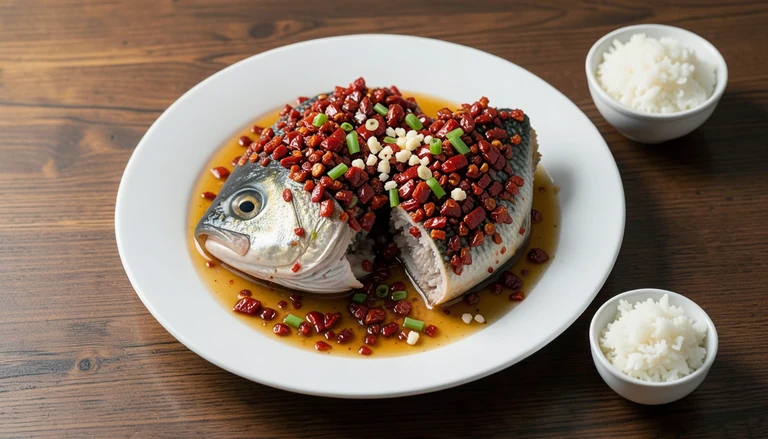
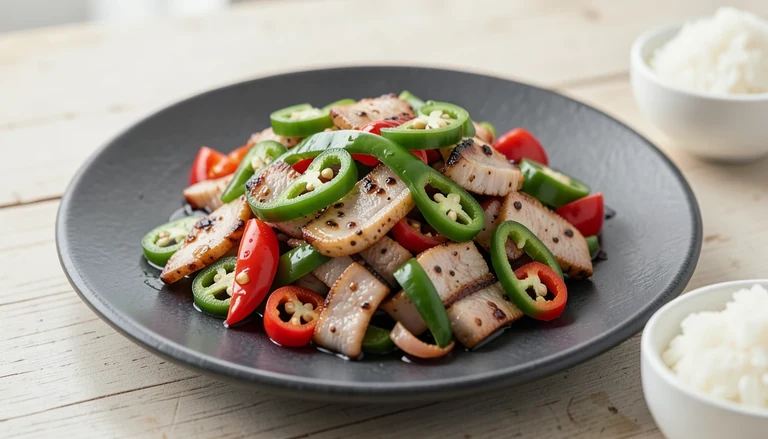
The Hunan government describes Xiang cuisine (湘菜) as one of the eight regional cuisines of China, with a hot and sour flavor, a fresh aroma and strong color. The dishes it names include stir-fried pork with chili peppers, steamed fish head with chopped chili, and cured delicacies from western Hunan. (Hunan provincial government — About Hunan cuisine (opens in a new tab), read )
Wikipedia’s Hunan cuisine article draws a sharper line. It says the cooking is known for gan la (干辣), which it glosses as dry and spicy, set against Sichuan mala (麻辣), numbing and spicy. In that account Sichuan cooking uses Sichuan pepper and chilies that are often dried, while Hunan cooking is often spicier by pure chili content and uses a wider range of fresh ingredients. The article also says Hunan cooking uses smoked and cured goods more often. (Wikipedia — Hunan cuisine (opens in a new tab), read )
That contrast is not a ban on the pepper. The same Wikipedia article lists mala chicken (麻辣子鸡) among Hunan dishes, so a Hunan menu can still print a numbing plate. The techniques it names are stewing, frying, pot-roasting, braising and smoking. (Wikipedia — Hunan cuisine (opens in a new tab), read )
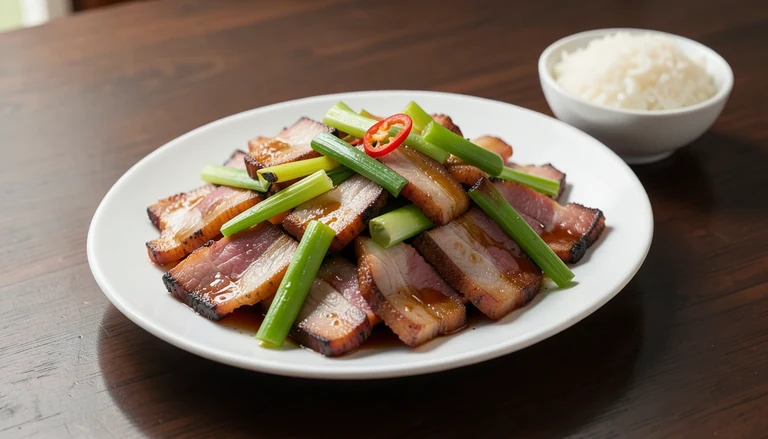
Three preparations have pages here: pork with chili peppers, fish head with chopped chili and smoked pork. Wikipedia separately describes farmer pepper fried pork (农家小炒肉) as pork belly, green pepper and fermented black beans. (Wikipedia — Hunan cuisine (opens in a new tab), read ) A menu may use either Chinese name. This page does not treat them as one plate.
Changsha, the lake, and the west
Wikipedia divides Hunan cooking into three styles. The Xiang River style, from Changsha, Xiangtan and Hengyang, is described as oily, spicy, fresh and aromatic, with stir-fried chicken with chili, meat braised in black bean sauce, and Changsha stinky tofu among its dishes. The Dongting Lake style, from Yueyang, Yiyang and Changde, leans on stewing and on fish. The western style, from Zhangjiajie, Jishou and Huaihua, uses preserved meat and pickled vegetables, tastes sour, spicy and salty in that account, and is influenced by the region’s ethnic minorities. (Wikipedia — Hunan cuisine (opens in a new tab), read )
The provincial site points at the same geography from the travel desk: a long-table banquet in Zhangjiajie, and in Fenghuang Ancient City, Miao-style cured meat and sour-soup fish. (Hunan provincial government — About Hunan cuisine (opens in a new tab), read ) A single “Hunan” heading on a restaurant menu does not say which of those kitchens the cook is using.
Chili in the local record
Wikipedia says the cooking skills associated with Hunan cuisine date to the 17th century, and that the first mention of chili peppers in a local gazetteer there is 1684, the 21st year of the Kangxi emperor. (Wikipedia — Hunan cuisine (opens in a new tab), read ) That is a date in the written local record. It is not a claim that no one in the province had encountered a chili before a gazetteer printed the word.
General Tso’s chicken and the Hunan line on a US menu
General Tso’s chicken is a Chinese-American dish. It is not one of the plates the Hunan government names. Wikipedia calls it a sweet and spicy deep-fried chicken, says it was invented in the 1970s, and says it was retroactively named for Zuo Zongtang, a Qing-dynasty statesman from Hunan. The article records two competing New York origin claims, associated with chefs Peng Chang-kuei and T. T. Wang, and says a version served in Hunan in the 1990s was found too sweet there. (Wikipedia — General Tso's chicken (opens in a new tab), read )
A menu line that says “Hunan chicken” or “Hunan beef” in a sweet brown sauce sits in that American family. The provincial dishes in the table are the other set of names: green chilies with pork, chopped chili over a steamed fish head, and smoked pork. Hunan versus Sichuan and kung pao versus General Tso’s keep those differences side by side. The heat words on this site are broad labels. A chili icon printed by a restaurant is not one of them.
Signature dishes
| Dish | Characters and romanization | What it is | Heat |
|---|---|---|---|
| Fish head with chopped chili | 剁椒鱼头 · Duò jiāo yú tóu | Steamed fish head under a layer of salted chopped chili. | Hot |
| Hunan pork with chili peppers | 辣椒炒肉 · Là jiāo chǎo ròu | Sliced pork stir-fried with green chilies. | Hot |
| Hunan smoked pork | 炒腊肉 · Chǎo là ròu | Salt-cured smoked pork stir-fried with leeks or dried turnip. | Medium |
| Farmer pepper fried pork | 农家小炒肉 · nóngjiā xiǎo chǎoròu | Pork belly stir-fried with green pepper and fermented black beans, as Wikipedia’s Hunan cuisine article describes it. | Varies |
Keep reading
Questions people ask
How is Hunan heat different from Sichuan heat?
Wikipedia’s Hunan cuisine article contrasts gan la, dry chili heat, with Sichuan mala, which adds the numbing of Sichuan pepper and often uses dried chilies. It says Hunan cooking is often hotter by chili content, uses more fresh ingredients, and turns to smoked and cured foods more often. (Wikipedia — Hunan cuisine (opens in a new tab), read ) The same page lists a mala chicken as a Hunan dish, so the contrast is a tendency, not a rule for every plate.
What is chopped chili on a fish head?
The Hunan government names steamed fish head with chopped chili among the province’s dishes. (Hunan provincial government — About Hunan cuisine (opens in a new tab), read ) The fish head page describes that plate as a steamed fish head under salted red chili. Ask the kitchen how salty and how hot its version is. The government page does not publish a recipe.
Is General Tso’s chicken a Hunan dish?
Wikipedia calls General Tso’s chicken a Chinese-American sweet and spicy deep-fried chicken, invented in the 1970s and named for the Hunan statesman Zuo Zongtang. It says a version served in Hunan in the 1990s was found too sweet there. (Wikipedia — General Tso's chicken (opens in a new tab), read ) The Hunan government’s dish list names stir-fried pork with chili, steamed fish head with chopped chili and cured meats from the west of the province, not this fried chicken. (Hunan provincial government — About Hunan cuisine (opens in a new tab), read )
What are the three styles inside Hunan cooking?
Wikipedia names an Xiang River style around Changsha, Xiangtan and Hengyang; a Dongting Lake style around Yueyang, Yiyang and Changde that stews fish; and a western style around Zhangjiajie, Jishou and Huaihua that uses preserved meat and pickled vegetables. (Wikipedia — Hunan cuisine (opens in a new tab), read )
Does Hunan cooking use Sichuan pepper?
It can. Wikipedia’s contrast is gan la versus mala, and the same article still lists mala chicken (麻辣子鸡) as a Hunan dish. (Wikipedia — Hunan cuisine (opens in a new tab), read ) If the tingle is the part you want, or the part you want left out, ask about the pepper. The region name has not answered that question.
What does the Hunan government itself tell a visitor to look for?
Its English FAQ names stir-fried pork with chili peppers, steamed fish head with chopped chili, Changsha stinky tofu, a braised pork, and cured delicacies from western Hunan. It also mentions Miao-style cured meat and sour-soup fish in Fenghuang. (Hunan provincial government — About Hunan cuisine (opens in a new tab), read ) That is a provincial tourism answer, not a ranking of restaurants.