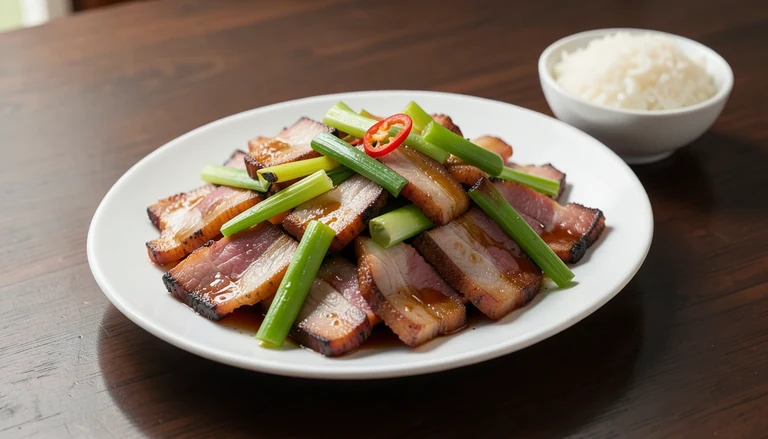
Hunan pork with chili peppers
辣椒炒肉
Là jiāo chǎo ròu
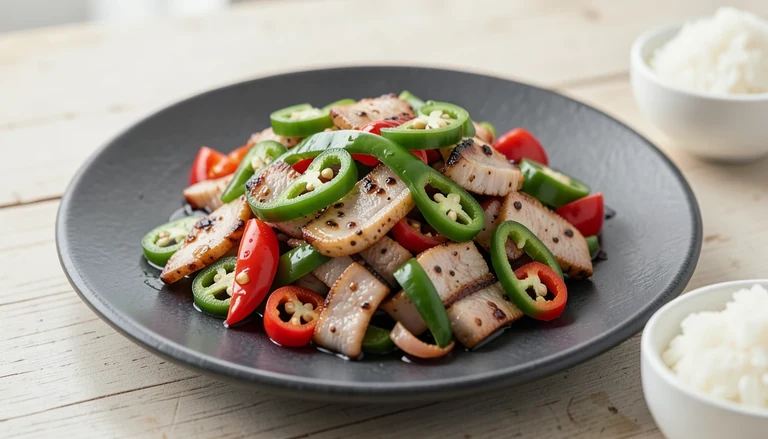
Thin slices of pork stir-fried with blistered green chili peppers and garlic, a Hunan home-cooking staple.
| Fact | Detail |
|---|---|
| Heat | Hot |
| Main protein | Pork, often pork belly |
| Region | Hunan |
| Common menu names | Sauteed pork with pepper, xiao chao rou, pork with green or hot peppers |
La jiao chao rou, chili and pork in a hot wok
Hunan pork with chili peppers is 辣椒炒肉, là jiāo chǎo ròu, the name China Daily prints over its page on the dish. (China Daily government portal — Sauteed pork with pepper (opens in a new tab), read ) The Woks of Life writes 辣椒小炒肉, làjiāo xiǎochǎo ròu, and China Sichuan Food calls its version 湖南小炒肉, which it glosses as little pork stir fry. (The Woks of Life — Pork and pepper stir-fry (opens in a new tab), read ) (China Sichuan Food — Hunan pork stir fry (opens in a new tab), read )
The plate is pork and chilies with very little else. China Daily describes fresh slices of pork cooked with green peppers and garlic, and says the Hunan character comes from the province’s thin local green or red peppers, which take up the oil that renders from the pork. (China Daily government portal — Sauteed pork with pepper (opens in a new tab), read ) SBS adds garlic, chili, salted black beans and Shaoxing wine to the same pair. (SBS Food — Hunan-style fried pork and peppers (opens in a new tab), read )
Wikipedia files the idea under a slightly different name. It calls farmer pepper fried pork (农家小炒肉) a classic Hunan dish served in restaurants and at home, and lists pork belly, green pepper, fermented black beans and other spices. (Wikipedia — Hunan cuisine (opens in a new tab), read ) The English name on a menu may be farmer-style pork, chili pork or Hunan pork.
The style of the cooking matters as much as the ingredient list. Hunan is known for gan la (干辣), a dry chili heat that Wikipedia sets against Sichuan mala (麻辣), where Sichuan pepper adds numbness. (Wikipedia — Hunan cuisine (opens in a new tab), read ) This plate is the plainest expression of that heat: no broth, no batter, no long braise.
Chili in the written record since 1684
Wikipedia dates the cooking skills of Hunan cuisine to the 17th century and records the first mention of chili peppers in the province’s local gazettes in 1684, the 21st year of the Kangxi emperor. (Wikipedia — Hunan cuisine (opens in a new tab), read ) That is a date in the written record, not the day the first chili reached the province.
The same article complicates the reputation. It says Hunan cooking is known for heat, then notes that only about 20 percent of the cuisine uses capsicum to produce a strong spicy taste. (Wikipedia — Hunan cuisine (opens in a new tab), read ) A restaurant that prints Hunan on the sign has not promised that every dish will burn.
Modern standardisation arrived with an official recipe book. A 2010 Telegraph report reprinted by History News Network says the Xiaoxiang Morning Herald reported that stir-fried peppers with pork was codified there, together with steamed pork with pickled cabbage and steamed fish head with peppers. (History News Network (The Telegraph) — China sets standard for Chairman Mao’s favourite dish (opens in a new tab), read ) The same report says restaurants that did not follow the procedures could not call themselves authentically Hunanese. (History News Network (The Telegraph) — China sets standard for Chairman Mao’s favourite dish (opens in a new tab), read )
Read the headline carefully. The Telegraph story is about Mao Zedong’s hong shao rou and the Ningxiang county pigs the rules required for it; the chili pork appears as one of three other dishes in the same book. (History News Network (The Telegraph) — China sets standard for Chairman Mao’s favourite dish (opens in a new tab), read ) The political association belongs to the braise, not to 辣椒炒肉, and Wikipedia’s account of farmer pepper fried pork carries no such story. (Wikipedia — Hunan cuisine (opens in a new tab), read )
Blister the chilies, render the pork
China Sichuan Food gives the most detailed home method. Pork belly is sliced thin; tenderloin is marinated for 15 minutes with salt, white pepper, cornstarch, light soy and cooking wine. The long line peppers and Thai chilies are cut into sections and fried for one to two minutes, until slightly soft and wrinkled, then taken out. The belly renders, garlic and ginger go in, the lean meat cooks for 15 to 20 seconds, and the peppers and garlic sprouts return with sugar, salt, light soy, oyster sauce and dark soy. (China Sichuan Food — Hunan pork stir fry (opens in a new tab), read )
SBS builds the same plate with different seasoning. Skinless pork belly marinates for ten minutes in soy, dark soy, white pepper, oil and potato starch. Bullhorn chilies are stir-fried until softened and a little charred and removed. The pork cooks through, then ginger, garlic, dried chili and salted black beans go in for a minute, and the peppers come back with soy, salt, MSG and Shaoxing wine. (SBS Food — Hunan-style fried pork and peppers (opens in a new tab), read )
The Woks of Life reverses the meat and pepper order. Thin pork strips sit in a marinade of water, cornstarch, oil, Shaoxing wine, oyster sauce and light soy while the peppers are sliced. The pork sears for two to three minutes and comes out; ginger, garlic and peppers fry for 30 seconds to a minute; wine deglazes the wok; the pork returns with sugar and dark soy. (The Woks of Life — Pork and pepper stir-fry (opens in a new tab), read )
Across the three recipes the constants are thin slices, a very hot wok and peppers cooked long enough to soften without turning to paste. (China Sichuan Food — Hunan pork stir fry (opens in a new tab), read ) (SBS Food — Hunan-style fried pork and peppers (opens in a new tab), read ) (The Woks of Life — Pork and pepper stir-fry (opens in a new tab), read ) The variables are the order, the cure of the pork and whether the salt comes from soy, oyster sauce or fermented black beans.
Pepper, cut, and the name on the menu
The pepper is the first variable. China Sichuan Food’s long line peppers are rated above 15,000 Scoville heat units, and its recipe adds two Thai chilies for more. (China Sichuan Food — Hunan pork stir fry (opens in a new tab), read ) SBS accepts bullhorn chilies or green capsicum, which leaves the cook room to choose. (SBS Food — Hunan-style fried pork and peppers (opens in a new tab), read ) The Woks of Life uses long hots it describes as much less hot than a jalapeño and suggests anaheim or cubanelle for a milder plate. (The Woks of Life — Pork and pepper stir-fry (opens in a new tab), read )
The cut is the second. Belly gives the fat that seasons the peppers, which is why China Sichuan Food and SBS both start there. (China Sichuan Food — Hunan pork stir fry (opens in a new tab), read ) (SBS Food — Hunan-style fried pork and peppers (opens in a new tab), read ) Shoulder or loin gives a meatier plate with less rendering, and The Woks of Life treats that as an ordinary substitution rather than a compromise. (The Woks of Life — Pork and pepper stir-fry (opens in a new tab), read )
The seasoning is the third. China Sichuan Food leans on light and dark soy, oyster sauce and a pinch of sugar; SBS adds fermented black beans, MSG and Shaoxing wine; The Woks of Life uses oyster sauce, soy, wine, sugar and a little dark soy for colour. (China Sichuan Food — Hunan pork stir fry (opens in a new tab), read ) (SBS Food — Hunan-style fried pork and peppers (opens in a new tab), read ) (The Woks of Life — Pork and pepper stir-fry (opens in a new tab), read ) None of them thickens the sauce with starch, and none serves the dish wet.
English menus blur the names. Some print xiao chao rou, some la jiao chao rou, and many print a regional label such as Hunan Pork. The Savannah guide lists a checked line written 116. Hunan Pork and marked spicy at China Taste; the Fayetteville guide lists another Hunan Pork at New China Garden. Neither printed name tells you the pepper or the cut, so the useful question is what the kitchen puts in the wok. (China Daily government portal — Sauteed pork with pepper (opens in a new tab), read )
How to order and eat it
Start with the pepper. If the kitchen uses long line chilies, the plate will be hot even after the chilies are fried; if it uses long hots or bell peppers, it will be mild enough for a table that does not agree on heat. (China Sichuan Food — Hunan pork stir fry (opens in a new tab), read ) (The Woks of Life — Pork and pepper stir-fry (opens in a new tab), read )
Then ask for the pork you want. Belly is the traditional choice and carries most of the flavour; shoulder or loin makes a leaner plate. (SBS Food — Hunan-style fried pork and peppers (opens in a new tab), read ) (The Woks of Life — Pork and pepper stir-fry (opens in a new tab), read )
At the table, China Sichuan Food gives one instruction worth following: start with the meat, not the chilies. The peppers hold the heat and the salt, and a slice of pork is the better first bite. (China Sichuan Food — Hunan pork stir fry (opens in a new tab), read ) Order rice. The Woks of Life serves the stir-fry as one dish in a meal with a leafy green vegetable and a soup, or spooned over a bowl of noodle soup. (The Woks of Life — Pork and pepper stir-fry (opens in a new tab), read )
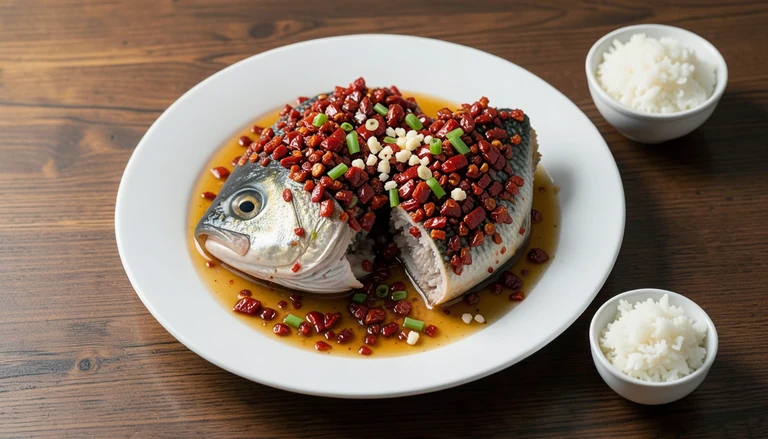
The Hunan cooking page places the plate beside the province’s other chili dishes. Fish head with chopped chili is the steamed, pickled-chili relative, Hunan smoked pork is the cured one, and Hunan versus Sichuan explains why the heat feels different. The shared-table guide is the ordering frame if the plate is one of several.
Regional versions
- Pork belly with garlic sprouts. China Sichuan Food balances 150 grams of pork belly with 100 grams of tenderloin or butt, cuts long line peppers and two Thai chilies, and adds garlic sprouts with light soy, oyster sauce and a little sugar. The peppers go into the wok first, for one to two minutes, until the skin wrinkles. (China Sichuan Food — Hunan pork stir fry (opens in a new tab), read )
- Bullhorn chilies and black beans. SBS serves four from 300 grams of skinless pork belly, two to three cups of bullhorn chilies or green capsicum, salted black beans and Shaoxing wine, and gives the cook ten minutes at the stove. (SBS Food — Hunan-style fried pork and peppers (opens in a new tab), read )
- Long hots in a home kitchen. The Woks of Life starts from pork shoulder or loin instead of belly, de-seeds six long hot green peppers, and sears the marinated pork before the peppers go in. (The Woks of Life — Pork and pepper stir-fry (opens in a new tab), read )
- Farmer pepper fried pork. Wikipedia lists farmer pepper fried pork (农家小炒肉) among the dishes served in Hunan homes and restaurants, built from pork belly, green pepper, fermented black beans and other spices. (Wikipedia — Hunan cuisine (opens in a new tab), read )
Questions people ask
How hot is Hunan pork with chili peppers?
It depends on the pepper and the kitchen. China Sichuan Food uses long line peppers above 15,000 Scoville heat units, while The Woks of Life calls its long hot green peppers much milder than a jalapeño. (China Sichuan Food — Hunan pork stir fry (opens in a new tab), read ) (The Woks of Life — Pork and pepper stir-fry (opens in a new tab), read ) Wikipedia also notes that only about 20 percent of Hunan cooking uses capsicum to produce a strong spicy taste, so the province’s reputation is not a promise about this plate. (Wikipedia — Hunan cuisine (opens in a new tab), read )
Is xiao chao rou the same as la jiao chao rou?
The names travel together. China Sichuan Food calls its recipe 湖南小炒肉 and says the 小, little, marks a humble dish that is easy to cook at home, while China Daily prints 辣椒炒肉 for chili pepper stir-fried pork. (China Sichuan Food — Hunan pork stir fry (opens in a new tab), read ) (China Daily government portal — Sauteed pork with pepper (opens in a new tab), read ) SBS carries both, calling the plate a pork stir-fry with green peppers also known as xiao chao rou. (SBS Food — Hunan-style fried pork and peppers (opens in a new tab), read )
Is the pork always belly?
No. China Sichuan Food and SBS both start from pork belly, and China Sichuan Food adds a little lean meat so the plate is not only fat. (China Sichuan Food — Hunan pork stir fry (opens in a new tab), read ) (SBS Food — Hunan-style fried pork and peppers (opens in a new tab), read ) The Woks of Life uses shoulder or loin and says an odd pork chop also works, so a leaner cut is a normal request. (The Woks of Life — Pork and pepper stir-fry (opens in a new tab), read )
Do the peppers go in before the pork?
In two of the three recipes here, yes. China Sichuan Food fries the chilies for one to two minutes and takes them out, and SBS chars the bullhorn chilies before the pork goes in. (China Sichuan Food — Hunan pork stir fry (opens in a new tab), read ) (SBS Food — Hunan-style fried pork and peppers (opens in a new tab), read ) The Woks of Life sears the pork first, sets it aside, then blisters ginger, garlic and peppers for under a minute. (The Woks of Life — Pork and pepper stir-fry (opens in a new tab), read ) The order changes; the blister on the pepper does not.
What is Hunan Pork on a US takeout menu?
Often a broad label rather than this exact plate. The Savannah guide lists a checked line written 116. Hunan Pork and marked spicy, and the Fayetteville guide lists another Hunan Pork under a Szechuan and Hunan heading. China Daily’s description of the Hunan plate as fresh pork slices with green peppers and garlic is a more useful question than the English label. (China Daily government portal — Sauteed pork with pepper (opens in a new tab), read )
Keep reading
Last reviewed
Sources & further reading
Background and preparation references. Our descriptions are editorial summaries, not restaurant reviews.
- Wikipedia — Hunan cuisine (opens in a new tab) ↗ read
- China Daily government portal — Sauteed pork with pepper (opens in a new tab) ↗ read
- China Sichuan Food — Hunan pork stir fry (opens in a new tab) ↗ read
- SBS Food — Hunan-style fried pork and peppers (opens in a new tab) ↗ read
- The Woks of Life — Pork and pepper stir-fry (opens in a new tab) ↗ read
- History News Network (The Telegraph) — China sets standard for Chairman Mao’s favourite dish (opens in a new tab) ↗ read