Pick the texture before the spice level
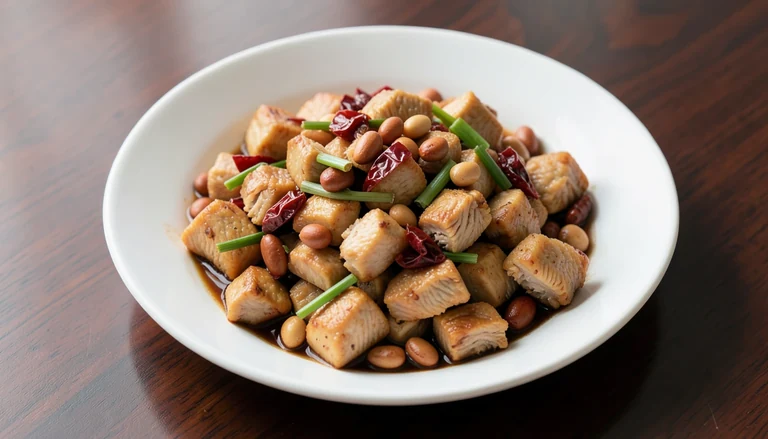
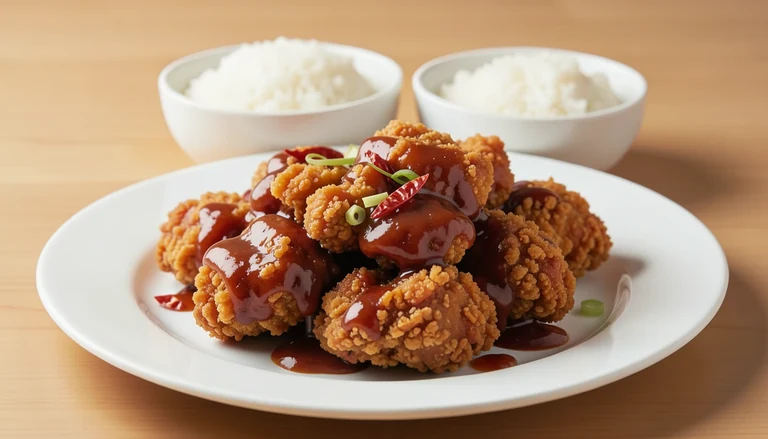
Kung pao is the better starting point when you want a chicken stir-fry with peanuts and chili; General Tso’s is the better starting point when you want coated, fried chicken tossed in a sweet-savory sauce. Those are useful menu expectations, not guarantees. Ask about the kitchen’s coating, sauce and toppings before choosing.
The most useful difference is what you bite through: a small piece of stir-fried chicken or a fried exterior around a larger chunk. Both dishes can involve sugar, vinegar and chili. Neither name supplies a universal heat ranking, and kung pao is not automatically the less-sweet option at every restaurant.
| Feature | Kung pao chicken | General Tso’s chicken | Restaurant variation to check |
|---|---|---|---|
| Cooking and coating | Diced chicken seared and stir-fried; light starch marinade in the cited recipe | Flour-and-starch-coated chicken deep-fried in the cited recipe | Whether there is a substantial fried coating |
| Sauce direction | Savory, tangy, a little sweet; chili and Sichuan pepper in the cited recipe | Sweet-savory with vinegar and dried chili in the cited recipe | Sweetness, acidity and sauce quantity |
| Texture contrast | Chicken with crunchy peanuts | Chicken with a fried exterior under glaze | Peanuts, vegetables and how heavily the dish is sauced |
| Heat | Recipe and kitchen dependent | Recipe and kitchen dependent | Chili heat and numbing pepper separately |
| Ingredient question | Peanuts are prominent in the cited examples | Sauce, coating and frying ingredients still need checking | Full preparation rather than visible garnishes |
What the kung pao preparation contributes
Judy Leung’s Woks of Life kung pao recipe marinates small chicken pieces with a little cornstarch, sears them, then combines them with peanuts, aromatics, dried chilies and Sichuan pepper powder. The sauce uses soy sauces, vinegar and sugar. This is a lightly marinated stir-fry, not chicken enclosed in a thick crisp batter.
A starch marinade does not make a dish equivalent to a breaded chicken preparation. When ordering, ask whether the chicken is stir-fried directly or fried with a coating first. For the sauce, decide whether you want tang and chili as well as savory flavor; “not sweet at all” may describe a different house preparation more accurately than this recipe.
Kung pao (宫保鸡丁, gong bao ji ding) has regional and diaspora variations. The existing dish guide explains its Sichuan connection. Here the practical task is to recognize the restaurant’s version and choose it for its chicken, peanut and seasoning combination.
What the General Tso’s preparation contributes
Bill Leung’s Woks of Life General Tso’s recipe coats chicken with flour and cornstarch, deep-fries it, then tosses it with a thickened sauce containing stock, soy sauces, brown sugar and vinegar. Dried chilies and garlic are part of the final preparation. The fried exterior and glaze explain why this choice feels different from the cited kung pao stir-fry.
If crisp texture is your priority, ask how the kitchen serves the chicken and whether it can package sauce separately for takeout. Treat that as a request, not a promised option or a guarantee of the result. If you mostly want sauce to mix into rice, confirm the sauce quantity rather than requesting extra by default.
A menu photo cannot reliably show coating thickness or tell you how much chicken is inside each piece. Ask directly when that distinction matters. General Tso’s belongs in the Chinese-American takeout context of this comparison; its name does not make it a dependable introduction to the range of Hunan cooking.
Compare named operator versions
Chin Chin’s operator menu describes kung pao with dark-meat chicken, bell peppers, peanuts, onion and water chestnuts in a spicy red sauce. Its General Tso chicken is described as crisp dark-meat chicken with chilies in a sweet-savory spicy sauce. Here the meat choice is shared while the vegetables, peanuts and crisp preparation distinguish the order.
Chamber Red Chinese Bistro in Saint Charles, Illinois, describes kung pao with carrots, celery, peanuts and a spicy dark sauce; its General Tso’s uses crispy fried chicken, bell peppers, onions and a sweet-spicy brown sauce. Those descriptions supply a different vegetable contrast from Chin Chin’s. A familiar name gets you partway; the operator’s description finishes the choice.
These menu examples are descriptions, not observations of meals or claims about which restaurant does the dish better. Before ordering your local version, look for the same distinctions: cooking section, meat cut if stated, vegetables, peanuts and sauce wording.
Ask about heat and peanuts independently
You can want dried-chili flavor without much numbing sensation, or want more chili without a sweeter sauce. Ask which ingredients provide the restaurant’s heat and whether the seasoning is adjustable. A chili symbol compares dishes within that menu at best; it does not make kung pao hotter than General Tso’s everywhere.
Peanuts are a central part of the cited kung pao preparations. If you are avoiding them as a preference, ask whether the restaurant offers a suitable alternative. If an allergy affects the order, discuss the complete preparation with staff rather than assuming a request to omit the topping establishes suitability. General Tso’s needs its own ingredient questions too; the Woks of Life example includes sesame ingredients.
- Is the chicken stir-fried with a light marinade or fried with a substantial coating?
- Which dish is less sweet in your kitchen, and is the sauce premixed?
- Does the kung pao use Sichuan pepper as well as chili?
- What peanuts, sesame or other relevant ingredients are in the complete preparation?
Two order examples that serve different cravings
For a stir-fry meal, my proposal is kung pao chicken with rice and a contrasting vegetable dish. Choose it when you want small chicken pieces and crunchy peanuts, then tell the staff your chili and numbing-pepper preferences. Confirm the portion size before adding another rich entrée.
For a coated-chicken meal, choose General Tso’s with rice and a vegetable you enjoy. Ask about sweetness and coating before ordering. If the real choice is between three sweet glazed chicken dishes, use the orange-versus-General-Tso-versus-sesame guide instead; it owns that separate sauce decision.
For a shared table, ordering both can make sense if everyone wants to compare the cooking styles. Check sizes and keep the rest of the meal simple. You do not need a second fried chicken dish merely because two similar names appear together on the menu.
Questions people ask
Which is spicier, kung pao or General Tso’s chicken?
Neither has a universal ranking. The cited recipes use chili, and the kung pao example also uses Sichuan pepper. Ask about the restaurant’s actual chili level and numbing seasoning.
Is kung pao chicken breaded?
The cited Woks of Life recipe uses a light cornstarch marinade, then sears and stir-fries the chicken; it does not use the substantial fried coating of its General Tso’s recipe. Restaurant versions can differ.
Is General Tso’s sweeter than kung pao?
The cited recipes give General Tso’s a stronger sweet-glaze direction, but that does not rank every restaurant version. Both can contain sugar and vinegar. Ask which dish is less sweet at the kitchen you are ordering from.
Does kung pao chicken contain peanuts?
Peanuts appear in the cited recipe and operator examples. If ingredients affect your choice, discuss the full dish with the restaurant; an omitted garnish alone does not settle an allergy question.
Menu words in this guide
Last reviewed
Sources & further reading
Background and preparation references. Our descriptions are editorial summaries, not restaurant reviews.