Choose citrus, chili-glaze or sesame first
Choose orange chicken when you want a citrus-led sauce, General Tso’s when you want a sweet-savory glaze with a chili direction, or sesame chicken when sesame flavor and seeds sound appealing. All three can be coated, fried and sauced. The biggest decision is the sauce direction; the restaurant’s description determines the actual sweetness, heat and coating.
These are familiar Chinese-American restaurant choices, and kitchens adapt them. A menu name is not a fixed formula. Orange chicken can contain chili, General Tso’s can be mild, and sesame chicken may share much of its sauce structure with another dish. There is no dependable spice or calorie ranking across the three.
| Choice | Flavor direction | Cited preparation example | Before ordering |
|---|---|---|---|
| Orange chicken | Citrus, sweetness and tang | Cornstarch-coated, shallow-fried chicken with orange juice, optional dried citrus peel and chili | Is citrus juice or peel prominent, and is chili included? |
| General Tso’s chicken | Sweet-savory glaze with vinegar and chili | Flour, starch and egg batter; chicken fried twice in Made With Lau’s recipe | How sweet, how hot and how heavily coated is it? |
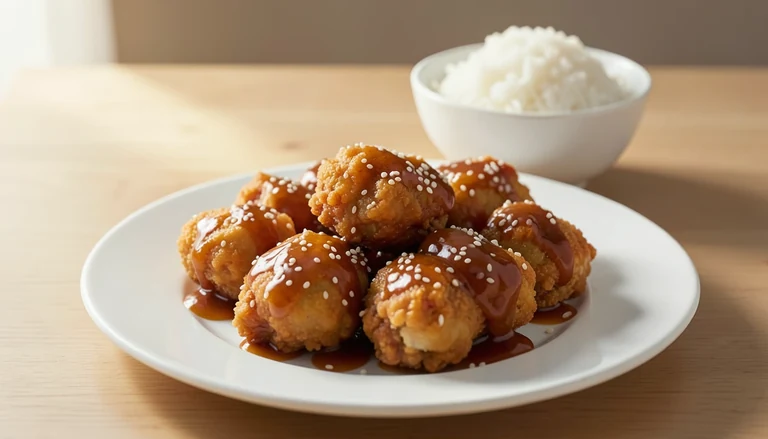
| Sesame chicken | Sweet-savory sauce with sesame oil and seeds | Battered, deep-fried chicken finished with toasted seeds | Is sesame in the sauce as well as the topping, and is chili used? |
Orange chicken: citrus does not mean chili-free
Bill Leung’s Woks of Life orange chicken uses orange juice with sugar and vinegar, and includes dried chili, star anise and optional dried tangerine peel. The chicken is coated with cornstarch and shallow-fried. That recipe is a useful citrus-led example, not evidence that every orange chicken is either mild or identically crisp.
Decide whether you want fresh-juice tang, peel aroma or simply the familiar sweet orange-sauce direction. Ask the kitchen how it describes its version. A citrus garnish identifies the presentation, but it does not establish the full sauce recipe. If you dislike heat, ask about chili even when the menu name sounds fruity.
If you are choosing orange chicken mainly because you do not want General Tso’s sweetness, check first. Citrus and sugar can occur together. “Which sauce is more tart and less sweet here?” gets a direct answer to your preference.
General Tso’s: choose the glaze and fried exterior
Made With Lau’s General Tso’s recipe fries battered chicken twice and uses a sauce with soy sauces, sugar, vinegar and ketchup, alongside garlic, ginger and dried chili. It is a sweet-savory fried-chicken example with a different sauce formula from the Woks of Life version cited in our kung pao comparison. Neither establishes a mandatory heat level for the name.
Use General Tso’s as your starting choice when sweet-savory fried chicken is the craving. Then confirm the cut of chicken, coating and sauce. If you want very little sweetness or prefer a direct stir-fry, a different dish may fit better than asking the restaurant to remove the defining glaze.
For the larger stir-fry-versus-coated-chicken decision, compare General Tso’s with kung pao. That changes the preparation more substantially than switching among three glazed fried-chicken orders.
Sesame chicken: look beyond the sprinkled seeds
Bill Leung’s Woks of Life sesame chicken uses a flour-and-cornstarch batter and two fries, then a sauce with sugar, soy sauce, oyster sauce, sesame oil and rice vinegar. Toasted sesame seeds finish it. That recipe’s ingredient list has no chili; Made With Lau’s sesame chicken instead includes both fresh and dried chili. The contrast gives a concrete reason to check the kitchen’s version.
Ask whether a kitchen’s sesame character comes from oil in the sauce, the seed garnish or both. If it only tells you “same sauce, with sesame,” that is still useful information: decide whether the garnish is the distinction you want. Sesame chicken should not be presumed less sweet merely because its name mentions a seed rather than fruit.
If sesame affects your ingredient choices, ask about the complete preparation of all three dishes. In the cited General Tso’s recipe, sesame appears even though it is not in the name. Visible sesame seeds are not a map of every sesame ingredient in a kitchen.
A restaurant menu makes the comparison concrete
Chamber Red Chinese Bistro describes its orange chicken with a tangy mandarin glaze, General Tso’s with a sweet-spicy brown sauce, and sesame chicken with a sweet-tart brown sauce and toasted sesame seeds. Its wording places the dishes in different flavor directions without giving a sugar measurement or a dependable ordering from hottest to mildest.
Hunan Wok in Baltimore marks orange chicken and General Tso’s spicy while sesame chicken lacks that mark. This local cue cannot guarantee no chili or transfer to another restaurant. Ask the operator to resolve the detail you need.
Use these as examples of menu reading, not endorsements or reports from visits. If your menu offers only the names, ask which sauces differ in citrus, sesame, chili and sweetness. You may learn that the kitchen uses a shared base; knowing that is more useful than imposing a three-way formula from another restaurant.
Use a choice matrix instead of a universal ranking
My ordering suggestion is to choose the sauce you want to taste, then ask one preparation question. That avoids trying to infer everything from the dish name. If your priority is a less-sweet meal, request the kitchen’s advice before committing to any of these three.
For takeout, ask whether sauce can be packed separately when preserving the fried texture matters to you. Availability depends on the restaurant, and separate packaging changes how you assemble the meal. For a shared table, choose one glazed chicken as an anchor and add a vegetable or another contrasting preparation; three similar chicken glazes are a deliberate tasting order, not a requirement for a balanced meal.
| Your preference | First dish to ask about | Question that decides it |
|---|---|---|
| Orange or citrus aroma | Orange chicken | Does your sauce use juice, peel or another citrus flavor, and does it contain chili? |
| A sweet-savory chili glaze | General Tso’s | How hot and how sweet is your version? |
| Toasted sesame flavor | Sesame chicken | Is sesame oil in the sauce, or is sesame mainly a garnish? |
| Less sweetness | Ask across all three, or consider a different preparation | Which sauce is least sweet, and can it actually be adjusted? |
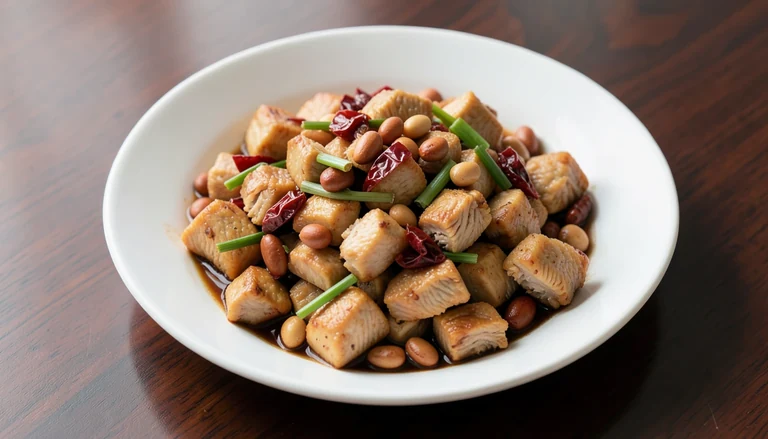
| No substantial fried coating | Consider a stir-fry such as kung pao | Is that chicken coated and fried or directly stir-fried? |
Keep sauce names and ingredient questions separate
Hoisin, soy sauce and a sauce labeled General Tso’s are not interchangeable menu clues. A glossy brown appearance does not tell you which condiments a kitchen uses. Our hoisin glossary explains that specific condiment; it is not a shortcut for identifying the base of these chicken dishes.
For ingredients that matter to you, ask about sauce, batter or coating, marinade and frying preparation. Mention the requirement directly and let staff explain the choices. Changing the garnish does not necessarily change the sauce, and requesting no chili does not establish anything about sweetness or other ingredients.
Once you find a version you enjoy, remember the useful specifics: citrus-led and tart, lightly coated with more sauce, or sesame-rich with little chili. Those notes help you choose again more reliably than a general verdict that one of the three dishes is always better.
Questions people ask
Is orange chicken the same as General Tso’s?
They can share a coated-and-fried format, but orange chicken points toward citrus while General Tso’s commonly points toward a sweet-savory chili glaze. Ask how the restaurant’s sauces differ.
Is sesame chicken less spicy than General Tso’s?
Some menus make it milder, but there is no universal rule. The cited Woks of Life sesame recipe has no chili in its ingredient list; Made With Lau’s sesame recipe uses fresh and dried chili. Check the kitchen’s actual versions.
Which is sweetest: orange, General Tso’s or sesame chicken?
There is no dependable ranking across restaurants. The cited recipes all contain sugar. Ask which sauce is least sweet at the restaurant and whether it is premixed.
Which of the three is healthiest?
The dish names do not establish portion size, ingredients or nutrition. Compare the restaurant’s information for the actual servings if that affects your choice; this guide does not rank the dishes by calories or healthfulness.
Menu words in this guide
Last reviewed
Sources & further reading
Background and preparation references. Our descriptions are editorial summaries, not restaurant reviews.
- The Woks of Life — Bill Leung’s orange chicken (opens in a new tab) ↗
- Made With Lau — General Tso’s chicken (opens in a new tab) ↗
- The Woks of Life — Bill Leung’s sesame chicken (opens in a new tab) ↗
- Made With Lau — Sesame chicken (opens in a new tab) ↗
- Chamber Red Chinese Bistro — Full operator menu (opens in a new tab) ↗
- Hunan Wok, Baltimore — Operator menu (opens in a new tab) ↗