Use regions as a starting point
The familiar “eight great cuisines” grouping names Shandong, Sichuan, Cantonese, Jiangsu, Fujian, Zhejiang, Hunan and Anhui. It is a useful framework, but it is not an exhaustive map of Chinese food. Cities, communities and home cooks add many more traditions.
Our regional pages are a practical set of starting points. Some follow provinces; others introduce a city or a wider area. They are not a replacement for those local distinctions.
Separate heat from flavor
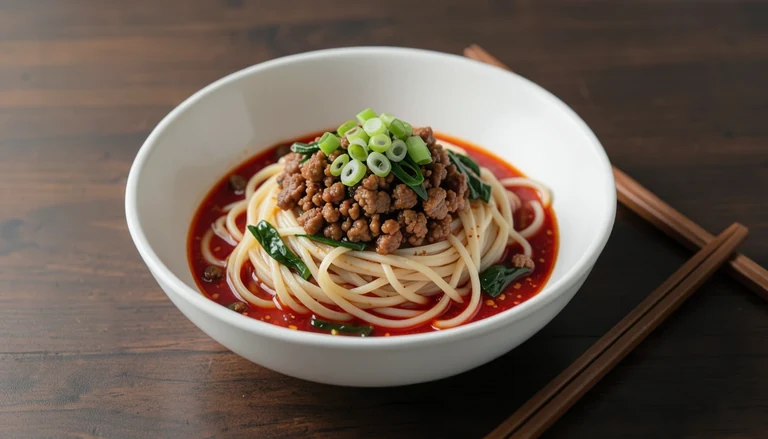
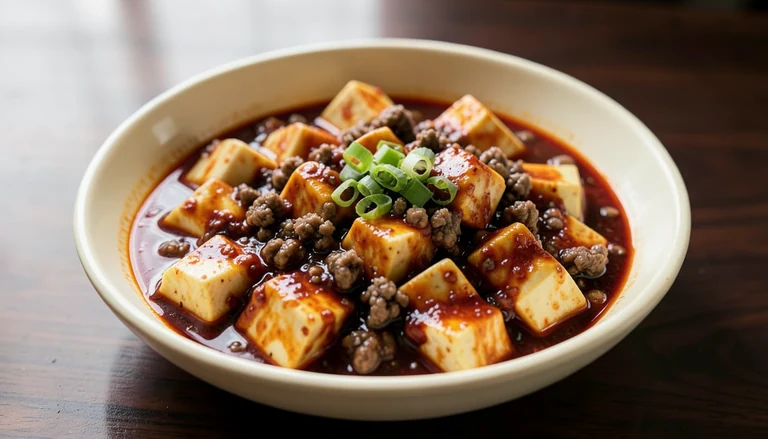
Sichuan pepper brings a tingling sensation; chili brings heat. A dish can have both, one, or neither. Hunan cooking has a distinct tradition of chili-forward dishes, while Cantonese menus often put steaming, roast meats and ingredient-focused preparations in view.
These are tendencies, not rules for every plate. Ask what a particular kitchen does well.
Try changing one thing
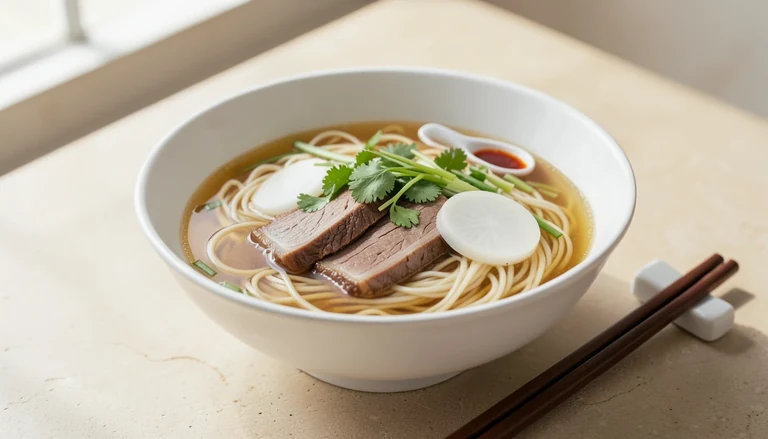
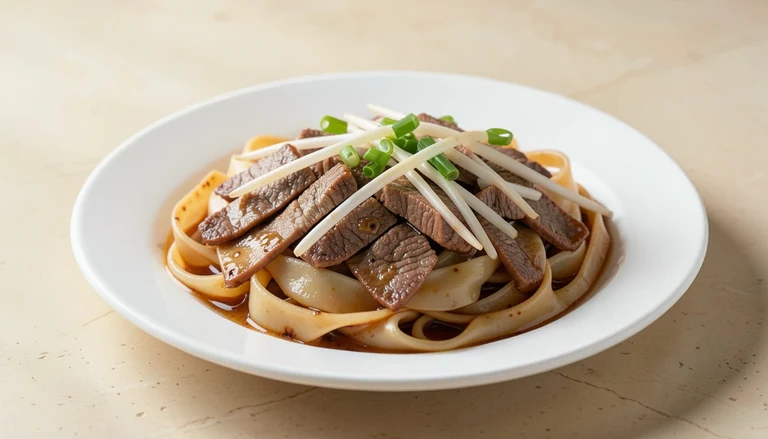
If you already enjoy dumplings, compare a steamed siu mai with a soup-filled xiaolongbao. If noodles are your comfort zone, move from a broth-based Lanzhou bowl to dry-fried beef chow fun. The familiar format gives you a way into a different texture or flavor.
Read the full menu description
English names do not always capture a dish’s ingredients or cooking style. Look for words such as steamed, braised, dry-fried and broth. The same dish name can lead to different regional or restaurant versions.
Use the dish finder’s heat labels as broad orientation. They are not a measured scale or a prediction about your local restaurant.
Sources & further reading
Background and preparation references. Our descriptions are editorial summaries, not restaurant reviews.