Start with a preparation, then confirm the seasoning
For a non-spicy Chinese meal, start by asking about ginger-scallion steamed fish, simply seasoned steamed dumplings, a roast-meat rice plate, or a soy-seasoned noodle stir-fry. Those are useful preparations to discuss, not guaranteed mild dishes. Ask whether chili, chili oil, Sichuan pepper or a peppery sauce is already part of the recipe.
Describe your preference early: 'I would like a dish without chili or chili oil. A little ginger and garlic are fine. Which of these can your kitchen make that way?' If you also dislike numbing Sichuan pepper or the sharpness of white pepper, say that separately. Mild is a comparison word, and different diners and kitchens can hear it differently.
| Dish or preparation | Why discuss it | Question to ask |
|---|---|---|
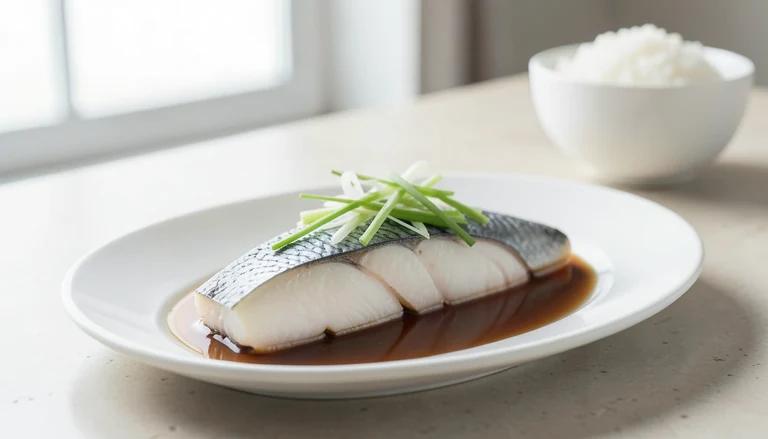
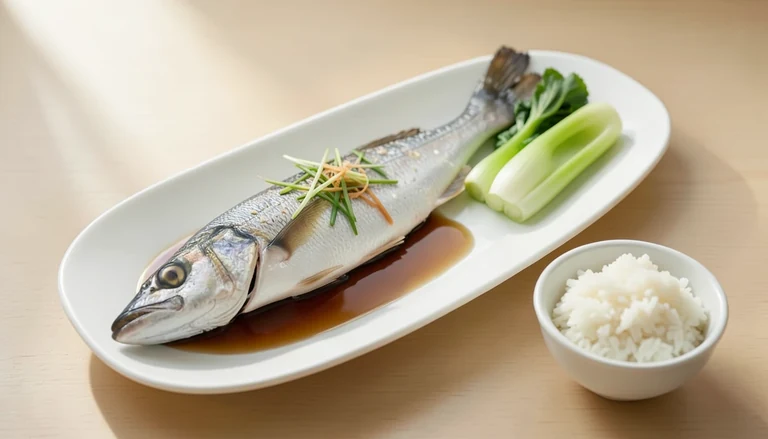
| Cantonese ginger-scallion steamed fish | A published soy-and-aromatic preparation without chili | Is this ginger and scallion, or a chili-topped steamed fish? |
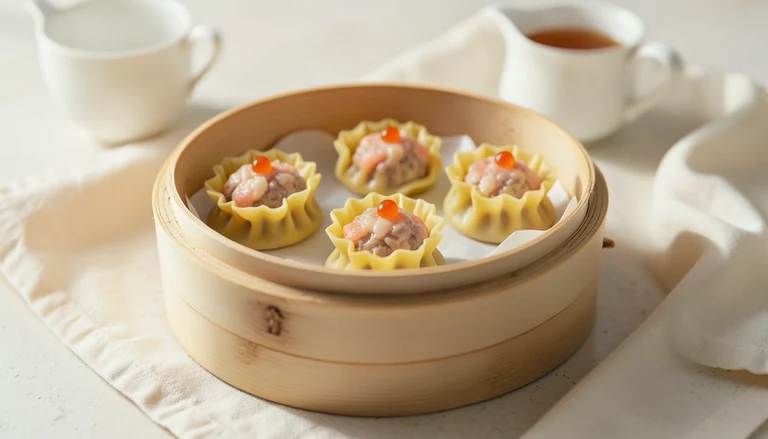
| Steamed siu mai | A steamed pork-and-shrimp example rather than a chili dressing | Is pepper in the filling, and can the dip come separately? |
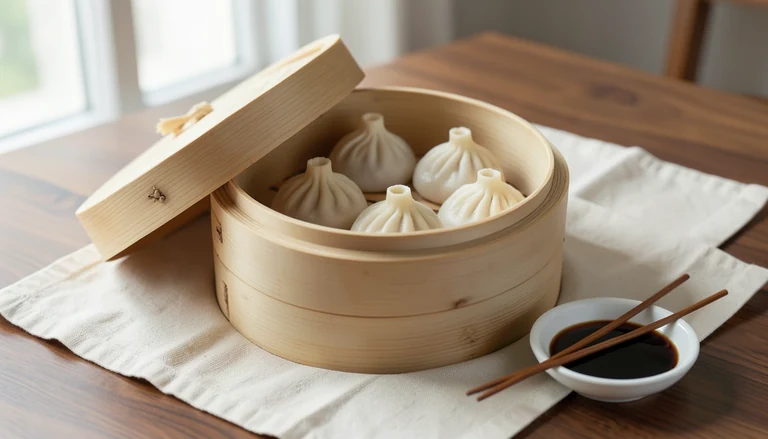
| Xiaolongbao soup dumplings | Broth inside a steamed parcel | Is the filling mild, and what comes with the vinegar dip? |
| Char siu with rice | A sweet-savory roast-pork example | Is chili in the marinade or finishing sauce? |
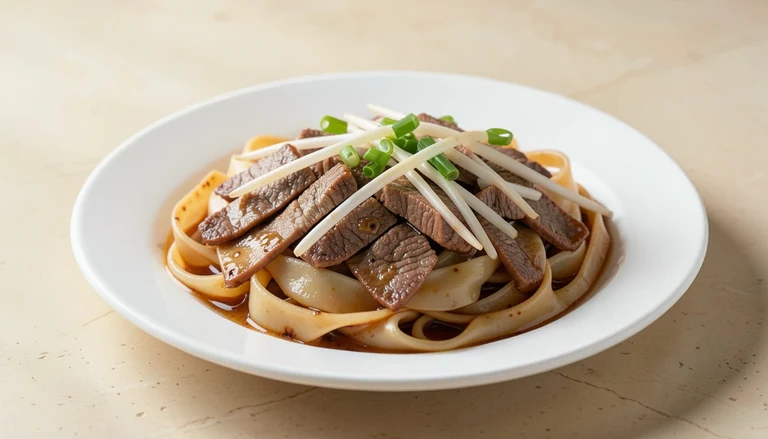
| Dry-fried beef chow fun | A soy-seasoned rice-noodle example | Do you add chili oil, peppers or a spicy sauce? |
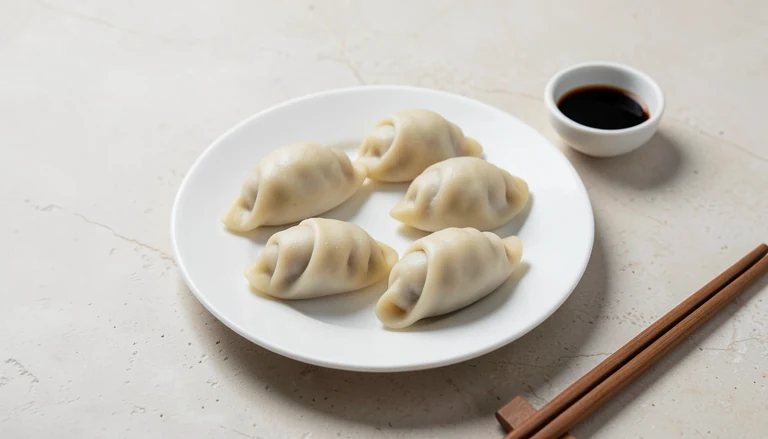
| Boiled or steamed jiaozi | A choice of filling and cooking method | Which filling has no chili, and is the dip separate? |
Steamed food can still have a spicy topping
The Woks of Life's Cantonese steamed-fish recipe uses ginger, scallion, cilantro and a soy-based sauce without listing chili. The same page links Hunan steamed fish with salted chilies. That contrast is why steamed fish is only a starting point: the topping and sauce decide whether it matches the order you want.
Ask for the ginger-and-scallion preparation by name when it is available. Confirm whether the menu price is for a fillet or a whole fish, how many people the portion is intended to serve, and what rice or vegetables are included. Those details make the dish easier to use as the center of a shared meal.
At a dim sum restaurant, a steamed basket can offer a different starting point. Made With Lau's siu mai recipe includes white pepper in its pork-and-shrimp filling. A dumpling can lack chili and still carry a pepper note, so ask about the filling rather than requesting only a different dip.
Roasting offers a different route to flavor
Char siu, 叉烧, is a useful roast-meat option to investigate when you want sweetness, savory seasoning and roasted texture instead of chili. The Woks of Life's recipe uses pork with hoisin, soy, five-spice and white pepper, then a maltose-or-honey glaze; chili is not in its listed formula.
That recipe is an example rather than proof of a particular restaurant's marinade. Ask whether the rice plate has an additional sauce and what vegetables accompany it. If you want sauce separately, check which sauce that request applies to: a finishing drizzle may be separable, while the meat's marinade is already part of the preparation.
Do not confuse a request for no chili with a request for unseasoned meat. Explain what you enjoy as well as what you avoid. 'Sweet-savory roast pork is good; I do not want chili' gives staff a more useful preference than simply saying that everything must be mild.
Dumplings give you a filling choice and a condiment choice
Boiled or steamed jiaozi and xiaolongbao are useful menu families to discuss. The first question is what is inside; the second is how the restaurant serves it. A plain-looking parcel can arrive with a spicy dressing, and a chili condiment can be optional even when another sauce is already part of the dish.
Xiaolongbao puts broth inside the steamed wrapper, as Shanghai's municipal food guide explains. If you want that experience, ask for soup dumplings specifically rather than assuming any dumpling in broth is the same thing. The portion size also matters: one small basket may be a starter rather than your whole meal.
If a group wants two heat levels, ask whether the kitchen can serve plain dumplings with a separate condiment for the people who want chili. That can be a practical shared order when offered. It is not a promise that every filling or dumpling preparation can be changed.
Noodles need sauce questions, even when they look simple
Made With Lau's dry-fried beef chow fun combines wide rice noodles, beef, sprouts, scallions and onion with soy and oyster sauces; its listed seasonings include white pepper rather than chili. That makes the named preparation worth asking about if you want a savory stir-fry without a chili-forward sauce.
A menu heading such as noodles does not tell you the seasoning, and a noodle material such as rice or wheat tells you even less about heat. Read the complete dish name. Garlic sauce, curry seasoning, chili oil or a spicy topping can change the direction of the bowl without changing the noodles.
For a soup noodle, ask whether chili oil is an optional finishing ingredient or part of the broth. For a stir-fry, ask what sauce the wok cook uses. If a sauce is prepared ahead with chili, choosing another dish may be easier than trying to turn it into a different preparation.
Look for heat in three places
Ask about the filling or main ingredient's marinade, the cooking sauce or broth, and the finishing condiment. This three-part check helps distinguish a dish that can arrive without its chili garnish from one whose flavor is built around a chili-containing sauce.
White or black pepper, ginger, mustard and Sichuan pepper are different seasoning questions from chili. You may enjoy some of them and dislike others. Explain that preference in ordinary words: 'No chili, and only a little pepper' or 'No chili and no numbing pepper.' Do not rely on an English word such as garlic to summarize the whole sauce.
Photos and chili symbols can guide the first conversation, but they cannot guarantee your bowl. A pale sauce may include pepper, while a red roast glaze is not automatically a chili sauce. Ask what creates the flavor instead of sorting dishes by color.
- Main ingredient: is chili or pepper mixed into the filling or marinade?
- Cooking liquid: is chili already in the sauce or broth?
- Finish: can chili oil, dressing and dips come separately?
A shared meal can be mild without every plate being alike
Our editorial starting meal is ginger-scallion steamed fish, a vegetable dish the kitchen can season without chili, and steamed rice. Add a dumpling basket only if the portion sizes and appetite call for it. This is a meal suggestion, not a tested serving count or a ranking of the least spicy foods.
For a roast-meat version, replace the fish with a char siu plate and keep the vegetables and rice. For a noodle meal, let beef chow fun fill the starch role before adding extra rice. Changing the cooking method gives you variety even when every plate follows the same heat preference.
If some people want chili, ask about separate dips or a separate dish. Confirm the mild plate on its own terms instead of assuming a mixed meal means every shared dish must be adjusted. Let the kitchen suggest portions and compatible preparations.
Use regional menus as leads, not guarantees
A Cantonese-focused menu can be a useful place to look for the steamed and roasted examples discussed here. That does not make every Cantonese dish chili-free, and a Sichuan menu does not mean every available dish has to be hot. The actual preparation is the evidence you need.
When staff suggest a different dish, ask what makes it fit your request. A clear answer about its ingredients and sauce is more useful than being told that it is the mildest item. Keep the name and cooking style of a dish you enjoyed so your next order can be more specific.
Questions people ask
What Chinese dishes can I ask about for a non-spicy meal?
Start with ginger-scallion steamed fish, steamed dumplings, a roast-meat rice plate or a soy-seasoned noodle stir-fry. Check the actual filling, marinade, sauce and finishing condiment before ordering; these names are starting points rather than mildness guarantees.
Does mild mean no chili?
Not necessarily. Say that you want no chili or chili oil, then separately describe your preference for Sichuan pepper and white or black pepper. Ask which dishes the kitchen can prepare that way.
Is all steamed Chinese food non-spicy?
No. The Woks of Life's steamed-fish page includes a ginger-scallion preparation and links a Hunan preparation with salted chilies. Steaming describes the cooking method, not the topping or sauce.
Can a restaurant make any spicy dish mild?
It depends on how the dish is prepared. An optional garnish may be separable, while a premixed sauce or marinated filling may be harder to change. Ask what can be adjusted and consider a different preparation when needed.
Menu words in this guide
Last reviewed
Sources & further reading
Background and preparation references. Our descriptions are editorial summaries, not restaurant reviews.
- The Woks of Life — Cantonese steamed fish (opens in a new tab) ↗
- Made With Lau — Siu mai (opens in a new tab) ↗
- The Woks of Life — Char siu (opens in a new tab) ↗
- Made With Lau — Beef chow fun (opens in a new tab) ↗
- Shanghai municipal government — Xiaolongbao (opens in a new tab) ↗
- The Woks of Life — How to cook dumplings (opens in a new tab) ↗