Choose a dish you want, then check the whole preparation
A useful vegetarian Chinese order can start with a tofu-and-mushroom main, vegetable dumplings or a mushroom noodle bowl, then add a contrasting vegetable or crisp snack. The essential step is to check broth, sauce, fat and filling as well as the ingredient named on the menu. Tofu or vegetables in the title does not establish a meat-free preparation.
Explain your requirements first. The Vegetarian Society distinguishes vegetarian diets, which can include eggs and dairy, from vegan diets, which exclude animal-derived products. Individuals also have different requirements within those labels. Say whether you eat eggs, dairy or honey rather than expecting one word to communicate every choice.
Try: 'I do not eat meat, poultry, fish or shellfish, including meat stock, lard, oyster sauce or fish sauce. Eggs and dairy are fine for me. Which dishes can you make that way?' For a vegan order, replace the eggs-and-dairy sentence with your additional exclusions, including honey if relevant.
Keep this ingredient-check card beside the menu
The card ties each question to a preparation you might actually order. It is a conversation aid, not a list of dishes we certify vegetarian or vegan. Ask staff to check with the kitchen when a sauce, filling or purchased wrapper is uncertain.
Read across the whole row. Replacing minced meat may leave the stock unchanged; choosing vegetable broth may leave oyster sauce in the stir-fry. If the restaurant has a clearly identified vegetarian or vegan version, ask about that version before requesting several changes to a dish built around meat.
| Preparation | Check for a vegetarian order | Extra check for a vegan order |
|---|---|---|
| Mapo tofu or braised tofu | Minced pork or beef; meat stock; seafood-containing sauces | Any additional egg, dairy or honey in this version |
| Greens, mushrooms or mixed vegetables | Oyster or fish sauce; chicken or pork stock; animal fat | Any butter or other dairy finish |
| Vegetable dumplings or wontons | Meat or seafood in filling; stock; fat and dip | Egg in filling, wrapper or seal; other animal-derived ingredients |
| Mushroom noodle soup | Broth base and mushroom topping; sauces | Egg noodles or toppings; dairy in this preparation |
| Scallion pancakes or vegetable buns | Lard or other animal fat; filling and dipping sauce | Egg, milk or butter in dough, glaze or filling |
| Fried rice or stir-fried noodles | Meat, seafood, stock and sauces | Egg mixed into the rice; egg in noodles |
| Hot pot | Stock, soup-base ingredients and dipping sauces | Egg noodles or dips; other animal-derived additions |
Give tofu a specific job in the meal
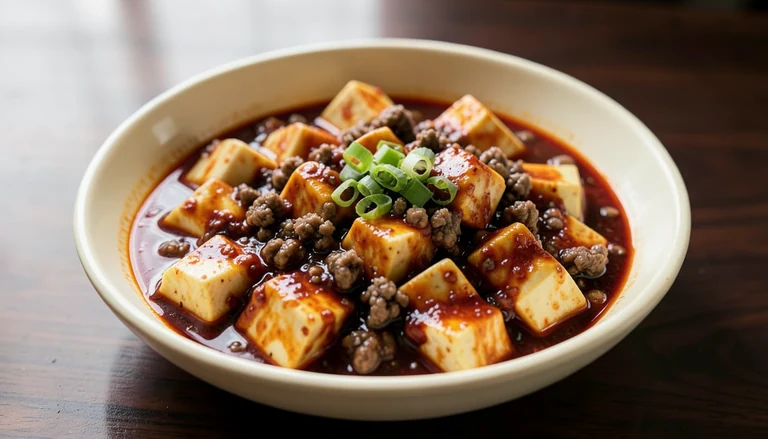
Choose tofu for the texture and preparation you want: soft pieces in sauce, firmer pieces with vegetables, or a mushroom-based main if the kitchen offers one. Plain tofu is an ingredient; the finished restaurant dish includes everything used to cook and season it.
China Sichuan Food's mapo tofu recipe uses minced beef or pork and offers mushrooms as an alternative. That is evidence for a particular adaptable preparation, not a guarantee that a restaurant's mapo tofu is vegetarian. Ask about its stock and complete sauce as well as the minced topping.
If mapo tofu's fermented-chili seasoning is what you want, ask whether the restaurant already makes a meat-free version. If you want a gentler tofu dish, describe that instead. Vegetarian and mild are different requests; you can want one, both or neither without making the kitchen infer it.
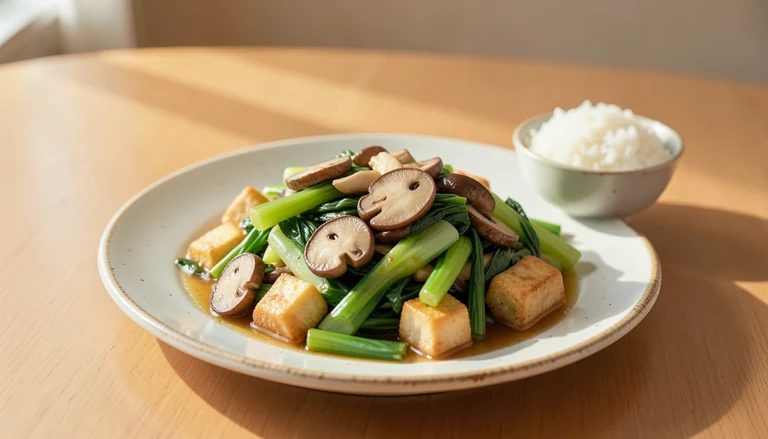
A tofu main can anchor rice and greens. For contrast, choose a vegetable preparation that is less saucy rather than automatically adding another soft braise. This is an editorial meal-building suggestion; portion sizes and available dishes should determine the final order.
A vegetable sauce deserves its own question
The Woks of Life's all-purpose Chinese white sauce allows chicken, pork or vegetable stock, and regular or vegetarian oyster sauce. That source makes a useful point for diners: a pale sauce around vegetables does not tell you which stock or sauce was used.
Regular oyster sauce is a concrete ingredient to check. Lee Kum Kee lists oyster extract in its Premium Oyster Sauce. Products labelled vegetarian oyster-style sauce offer a different direction, but the restaurant needs to tell you which product it uses. The brown or clear appearance of the finished plate cannot answer that.
Ask: 'Can the vegetables be cooked with vegetable stock or water and without oyster or fish sauce?' If a premixed sauce cannot be changed, ask what the kitchen already prepares with your requirements. Garlic, ginger, mushrooms and fermented seasonings give you more to discuss than asking for vegetables with no flavor.
Choose the vegetable because you want its texture or taste: a leafy green, a crisp stem, or mushrooms with a different chew from the tofu. Ask what is available today rather than assuming the longest menu supplies every vegetable in every style.
Dumplings and pancakes can add more than starch
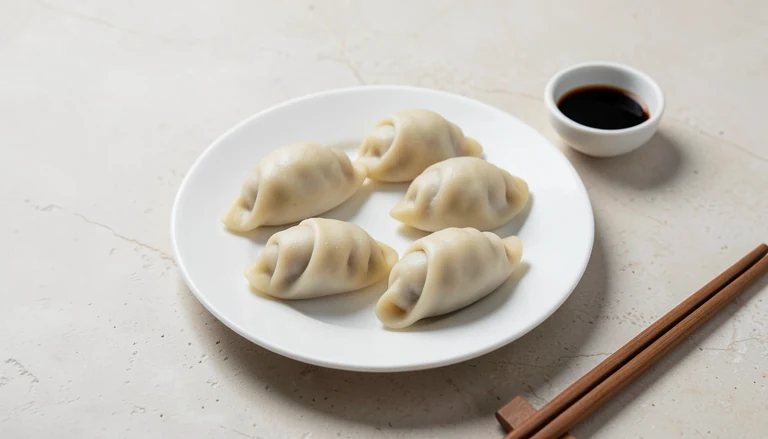
The Woks of Life's vegetable dumplings use a flour-and-water dough with a filling of mushrooms, cabbage, carrot, onion and chives. This is a specific meat-free example worth recognizing, not a formula that every vegetable dumpling follows. Ask what the restaurant puts in its filling and whether the wrapper and dip fit your request.
Vegetable dumplings might be a main order for one person or one component of a shared meal. Ask about piece count and cooking method. Boiled, steamed and pan-fried choices give you different textures without requiring a different filling.
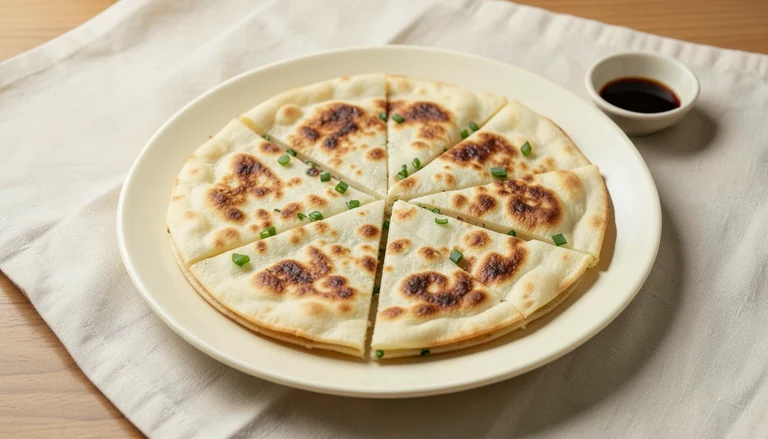
China Sichuan Food's scallion pancake recipe uses vegetable oil, flour, water and scallions. It shows that an oil-based version is possible. Ask whether the restaurant uses vegetable oil or animal fat, including lard, rather than inferring the answer from the scallions. If you are vegan, check dough and any added egg as well.
A pancake can add a crisp contrast to a soft tofu dish or a broth bowl. Ask for the dip separately if you want to check it or simply prefer the pancake without sauce. A savoury pancake is a dough preparation, so do not assume it follows the egg-and-milk batter of another kind of pancake.
Mushroom noodles offer a different starting point
The Woks of Life labels its mushroom noodle soup vegan and builds the stock from mushrooms, kelp, vegetables and fermented bean curd, with a separate braised-mushroom topping. This is a substantial published preparation that shows why a meat-free noodle bowl need not be plain noodles in water.
At a restaurant, ask whether mushroom soup means a mushroom-based stock or mushrooms added to another stock. Then check the noodle and topping. Choosing a mushroom topping does not tell you whether the noodles contain egg or whether the broth is meat-free.
For fried rice or stir-fried noodles, explain whether you want egg included or omitted and ask about the sauces. If you eat eggs, an egg-containing dish can still fit your stated vegetarian request; for a vegan order it requires a different preparation. That distinction is practical, not a reason to assume one vegetarian label fits everyone.
For hot pot, ask about the complete soup base and dipping sauces before ordering mushrooms, greens and tofu. A mushroom-flavored broth may still need ingredient confirmation. Use the dedicated first-hot-pot guide to understand the service, equipment and ordering sequence.
Vegan requests also reach dough and sweet fillings
A vegetarian savoury order and a vegan order can diverge when the dough, filling or finishing sauce includes eggs, milk, butter or honey. Check those components even when the main dish is vegetable-led. Purchased wrappers and prepared fillings may need a package or recipe check.
The Woks of Life's steamed custard buns use eggs, milk, cream, milk powder and butter in the filling. That is a specific example of why a sweet bun without meat is not automatically vegan. It does not mean every bun contains the same ingredients.
Likewise, do not treat the label Buddhist or vegetarian restaurant as a universal ingredient standard. Ask the kitchen what its menu labels mean and state your own requirements. A restaurant specializing in plant-based preparations may give you more options, but it still helps to be precise about the version you want.
A sample shared order, with the assumptions stated
Our editorial starting meal is a mushroom-and-tofu main, a simply seasoned leafy vegetable, steamed rice and a scallion pancake if wanted. It assumes the kitchen confirms vegetable stock or water, plant-based fats, no meat or seafood additions, and sauces that meet the group's requirements. For a vegan meal, it also assumes the dough, sauces and other components contain no egg, dairy or other excluded animal-derived ingredients.
Ask staff to adjust the portions before ordering all four components. For a solo meal, a confirmed meat-free mushroom noodle bowl may be a simpler choice. If the kitchen cannot verify the main's sauce, replace that dish with a preparation it can explain rather than assuming the uncertainty disappears because you have ordered rice.
Keep a short note of the specific version that worked: mushroom tofu with vegetable stock, dumplings with a particular filling, or pancakes made with vegetable oil. On the next visit, recheck changes to recipes or suppliers. A previous good answer helps you ask a better question; it does not permanently establish every future preparation.
Questions people ask
Is tofu at a Chinese restaurant vegetarian?
Tofu is only one component of the dish. Mapo tofu can include minced beef or pork, and other preparations can use meat stock or seafood-containing sauces. Ask about the complete preparation or an explicitly meat-free version.
What should I check besides meat in a vegetarian order?
Check stock, minced toppings, lard or other animal fats, oyster or fish sauce, fillings and dips. State separately whether you eat eggs and dairy; for a vegan order, also check those ingredients in noodles, dough, sauces and sweet fillings.
Are Chinese vegetable dumplings vegan?
Some versions can be: The Woks of Life publishes vegetable dumplings with flour-and-water wrappers. A restaurant's vegetable label does not establish its wrapper, filling, fat or sauce, so ask about that particular version.
What is a useful vegetarian Chinese meal to ask about?
Ask about a tofu-and-mushroom main, a contrasting vegetable dish and rice, or a mushroom noodle soup with a confirmed meat-free stock. Add dumplings or a scallion pancake if wanted and confirm their fillings, fats, wrappers and sauces.
Last reviewed
Sources & further reading
Background and preparation references. Our descriptions are editorial summaries, not restaurant reviews.
- Vegetarian Society — Vegetarian and vegan definitions (opens in a new tab) ↗
- China Sichuan Food — Mapo tofu and mushroom alternatives (opens in a new tab) ↗
- The Woks of Life — Chinese white sauce and stock choices (opens in a new tab) ↗
- Lee Kum Kee — Premium Oyster Sauce ingredients (opens in a new tab) ↗
- The Woks of Life — Vegetable dumplings (opens in a new tab) ↗
- China Sichuan Food — Scallion pancakes with vegetable oil (opens in a new tab) ↗
- The Woks of Life — Vegan mushroom noodle soup (opens in a new tab) ↗
- The Woks of Life — Cantonese steamed custard buns (opens in a new tab) ↗