Choose a dinner centerpiece, then give it a contrast
For a first Cantonese dinner beyond dim sum, start with steamed fish or a roast-meat plate, add a vegetable preparation, and choose rice or noodles to fit the rest. Steamed fish suits a meal centered on tender fish and ginger-scallion seasoning. Char siu gives you sweet-savory roast pork; white-cut chicken gives you another direction, with poached chicken and a separate aromatic sauce. Choose the preparation that interests you, then ask how that kitchen serves it.
A dinner menu is a different ordering exercise from selecting dim-sum baskets. The question is how several shared dishes work together, including their portion sizes and sauces. You do not need a banquet's worth of famous names. A fish, greens and rice can be a complete proposal for the server to adjust; a roast-meat and noodle meal can be a contrasting proposal.
These are editorial starting points, not reports of meals we ate or fixed serving formulas. Cantonese cooking includes many local and family traditions. The examples below come from the Lau family's documented Cantonese recipes, rather than a claim that every restaurant follows one recipe.
Check which menu you are actually ordering from
Before deciding on dishes, ask whether the restaurant is serving its dinner menu, dim sum, a roast-meat counter menu, or several of those together. A small rice plate with one meat and a shared platter of that meat are different formats. The same kitchen may also have dishes that need advance notice or ingredients whose availability changes.
Make the practical questions explicit: 'Is this a whole fish or fillets? Is the price per dish or by weight? Is rice included? Does anything in this order need to be reserved before we arrive?' Ask about the operator's actual preorder rule; a reservation for seats does not necessarily reserve a special dish. If a menu gives a lead time, follow that menu rather than a general guide.
Settle those details before using the sample orders below. If the available fish is much larger than your group needs, a chicken or smaller meat plate may fit better. If a noodle plate is an individual lunch, do not assume it will serve the same role as a dinner portion.
Steamed fish: choose the sauce as well as the fish
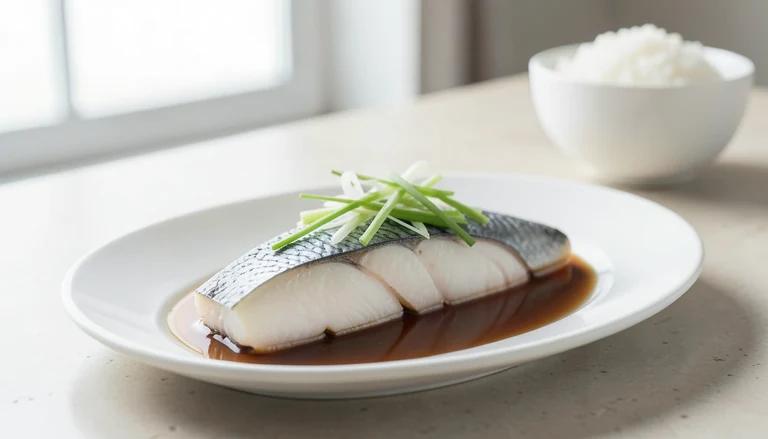
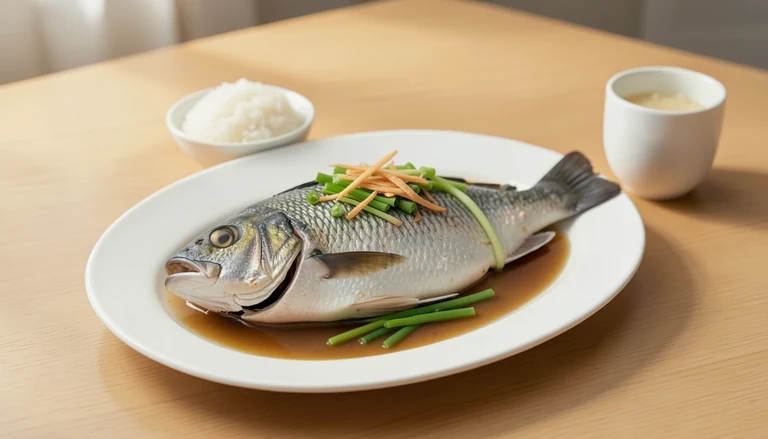
Made With Lau's ginger-scallion steamed fish uses a whole tilapia, fresh ginger, scallions, a soy-based sauce and a hot-oil finish. Its separate steamed-fish recipe uses ground bean sauce and additional aromatics. Even within one family's collection, 'steamed fish' does not identify a single seasoning. The cooking method is a useful clue, but the sauce deserves a question of its own.
Ask which species and cuts are available, how the kitchen seasons them, and whether the dish arrives with head and bones. A whole fish is a shared-table decision: everyone should be comfortable serving from it. 'Fillet' and 'boneless' also need confirmation from the restaurant. Choose a sauce you want to taste, then give it space beside greens and rice rather than surround it with several competing sauces.
If you want an ingredient-focused preparation, describe that preference plainly: 'Would the ginger-and-scallion version suit us, and what else is in its sauce?' Steaming is a cooking method, not a promise about salt, oil, allergens or the full ingredient list.
Roast pork and poached chicken offer different meals
Char siu (叉燒) is the sweet-savory roast-pork direction. Daddy Lau's version uses pork shoulder with fermented bean curd, soy, hoisin and oyster sauces, then a honey glaze. White-cut chicken (白切雞) follows a different method: his recipe gently poaches a whole chicken and serves it with ginger-scallion sauce. These are contrasting preparations, not two interchangeable 'barbecue' meats.
Choose char siu when a glazed pork plate is the attraction. Choose white-cut chicken when you would rather explore the poached meat and its accompanying sauce. Ask about the cut, bones, serving temperature and portion offered by your restaurant. A mixed-meat platter can be useful for comparing, but first confirm which meats it includes and whether its size fits your group.
If crisp pork skin is what you want, ask whether the menu has siu yuk rather than assuming char siu will provide it. Our separate roast-pork comparison explains that choice. For this dinner, select the meat's job first: a centerpiece, a small addition to a fish meal, or the topping for a rice plate.
Give greens and starch a deliberate role
Gai lan, or Chinese broccoli, gives you leaves and substantial stems. Made With Lau's oyster-sauce preparation blanches the vegetable and adds a sauce; it is a useful named example rather than a guarantee that a green plate is plain. Ask whether you can choose garlic, oyster sauce or another preparation, and discuss the complete ingredients when those matter.
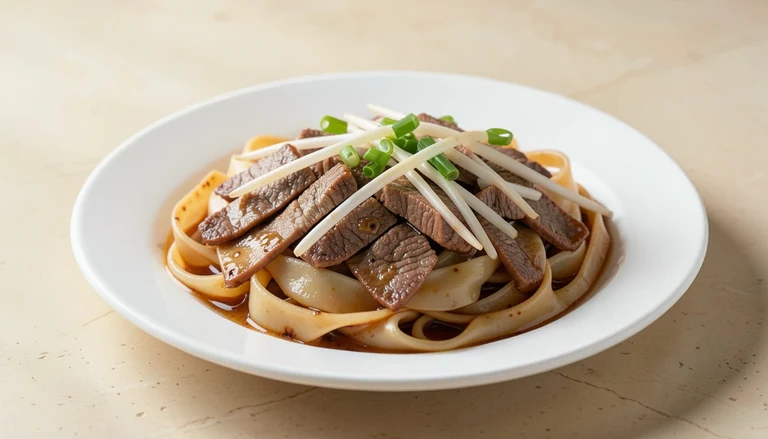
Rice lets you portion the sauces alongside each dish. Beef chow fun is a different choice: Daddy Lau's dry-fried version combines broad rice noodles, beef, bean sprouts, onion and scallions. It is a prepared plate with its own seasoning. Add it because people want that noodle dish, rather than treating it as an automatic rice replacement with no effect on the meal.
For a small order, decide whether the starch should support the centerpiece or become another attraction. Rice makes sense beside a sauced fish or chicken. A noodle-led meal might need only a smaller meat plate and greens. Confirm that the restaurant's 'chow fun' is dry-fried if that is the style you want.
Use the preparation to read a short English menu
Names and translations help you locate a dish, but the preparation makes the order more concrete. Show the server the name on the menu and ask the final column's question. The table reflects the named recipe examples used in this guide; it does not predict another kitchen's ingredients.
| Menu clue | Preparation and meal role | Question to settle |
|---|---|---|
| Steamed fish / 蒸魚 | Tender fish; ginger-scallion and bean-sauce versions differ | Whole or filleted, which species, and which sauce? |
| Char siu / 叉燒 | Sweet-savory roast pork; plate or rice topping | Which cut and portion, and what accompanies it? |
| White-cut chicken / 白切雞 | Poached chicken with an aromatic dipping sauce | Bone-in, which portion, and is sauce separate? |
| Gai lan / 芥蘭 | Greens and stems; sauce changes the dish | Which preparation and sauce ingredients? |
| Dry-fried beef chow fun / 乾炒牛河 | A seasoned rice-noodle dish with beef | Dry-fried or sauced, and individual or shared size? |
Two contrasting editorial dinner proposals
Proposal one is for two people who want fish, can manage bones, and are ordering shared dinner plates: ginger-scallion steamed fish, a garlic-prepared green vegetable and steamed rice. Ask whether the available fish suits two appetites and whether the vegetable's sauce duplicates the fish's. If the fish is too large, switch the anchor instead of adding food to justify it.
Proposal two is for two people who prefer roast meat and a noodle plate: a modest char-siu portion, dry-fried beef chow fun and a vegetable dish with a different seasoning. This assumes the kitchen offers a small meat plate and shareable noodles. Ask whether the two meat components make the order heavier than you intended; white rice with char siu is a reasonable simpler alternative.
Both are editorial menu-to-meal examples, not universal portions, dietary menus or obligatory combinations. A group of four may need a larger main or a second contrasting dish; a solo diner may want one rice or noodle plate. Let the restaurant adjust for the portions it actually serves.
Finish the order with one useful question
Tell the server the number of diners and which preparation interests you, then ask: 'What would you change in this order to show us your kitchen's Cantonese specialties?' That leaves room for a seasonal vegetable, a different fish sauce or a suitable chicken portion without turning dinner into a checklist.
Keep a note of the cooking method, sauce and portion you enjoyed. 'Ginger-scallion whole fish with rice' is a more useful next-order memory than 'the fish.' If you later want dim sum, approach it as its own meal with different formats and piece counts.
Questions people ask
What should I order at a Cantonese restaurant besides dim sum?
Start with steamed fish, a roast-meat plate or white-cut chicken, then add a differently prepared vegetable and suitable rice or noodles. Confirm the kitchen's portions before choosing several shared plates.
Is Cantonese steamed fish always ginger and scallion?
No. Made With Lau documents both ginger-scallion and bean-sauce preparations. Ask which sauce your restaurant uses, as well as the fish species, cut and bones.
Should I order rice and beef chow fun together?
Only if the group wants both. Chow fun is a seasoned noodle dish with its own ingredients, while rice can accompany shared sauces. Ask how large the noodle portion is before adding rice automatically.
Do Cantonese dinner dishes need advance ordering?
Check the operator's rules for the specific dish. A table reservation does not necessarily reserve a whole fish, special roast or other preparation. Ask about lead time, portion and availability before planning around it.
Last reviewed
Sources & further reading
Background and preparation references. Our descriptions are editorial summaries, not restaurant reviews.
- Made With Lau — Steamed fish with ginger and scallion (opens in a new tab) ↗
- Made With Lau — Steamed fish with bean-sauce seasoning (opens in a new tab) ↗
- Made With Lau — Char siu pork (opens in a new tab) ↗
- Made With Lau — White-cut chicken with ginger-scallion sauce (opens in a new tab) ↗
- Made With Lau — Chinese broccoli with oyster sauce (opens in a new tab) ↗
- Made With Lau — Beef chow fun (opens in a new tab) ↗