Choose the texture before choosing the name
For three familiar Chinese takeout soup choices, start here: wonton soup puts filled wrappers in broth; egg drop soup gives you egg ribbons suspended in a seasoned soup; hot and sour soup adds a tangy, peppery direction with a mixture of textures. Ask about the filling, broth and seasonings before deciding that any of them is mild, vegetarian or a full meal.
This is a comparison of three takeout menu names, not a list of all Chinese soup types. Grace Garden's operator menu in Gilbert lists all three, plus wonton egg drop, seafood hot and sour and other soups. Even that one menu goes beyond the trio, and different regional restaurants offer different soup traditions.
Choose a soup for the role you want it to play: a small starter, a broth alongside the shared dishes, or a larger bowl with substantial additions. Confirm the serving size instead of treating the name as a portion guide.
| Soup | Texture to expect | Heat question | Ingredients to check |
|---|---|---|---|
| Wonton | Filled wrappers in broth; other additions vary | Is the broth peppery, and is chili separate? | Wonton filling, wrapper, stock and any extra toppings |
| Egg drop / egg flower | Egg ribbons; thickness varies by preparation | Does this version use white pepper or chili? | Stock, egg, thickener, seasonings and garnish |
| Hot and sour | A tangy soup with mixed ingredients, often thickened | How much white pepper and chili are already in the soup? | Stock, meat, tofu, mushrooms, egg, vinegar and sauces |
Wonton soup: ask about the filling and the bowl
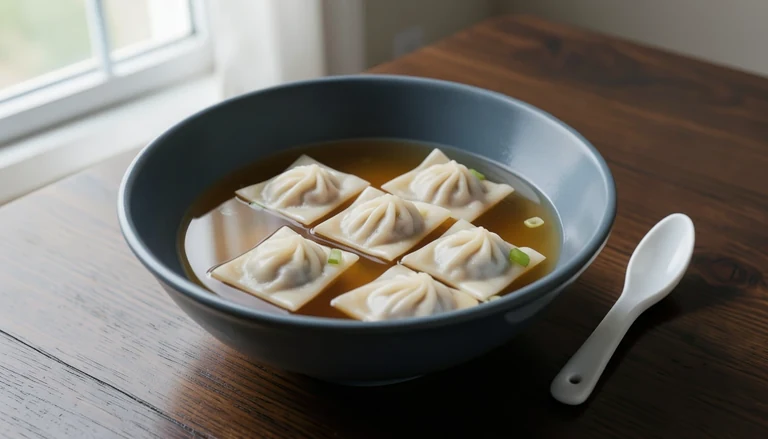
Sarah Leung's simple wonton soup at The Woks of Life uses pork and leafy vegetables inside wonton wrappers, with chicken stock for the soup. That named example shows why a clear-looking bowl does not establish the filling or broth ingredients.
Ask what is inside the wontons rather than assuming every version uses pork alone, shrimp alone or vegetables. Also ask whether the order is wontons in broth, wonton noodle soup, or a house-special bowl with additional ingredients. Those formats can occupy very different places in your meal even when the word wonton appears in each.
For a starter, find out how many wontons or what size container the order includes and whether it is intended for sharing. If this is your main bowl, ask what else it contains before adding a second starch or protein dish. A small soup with a few filled wrappers and a large noodle soup should not be planned as though they are interchangeable.
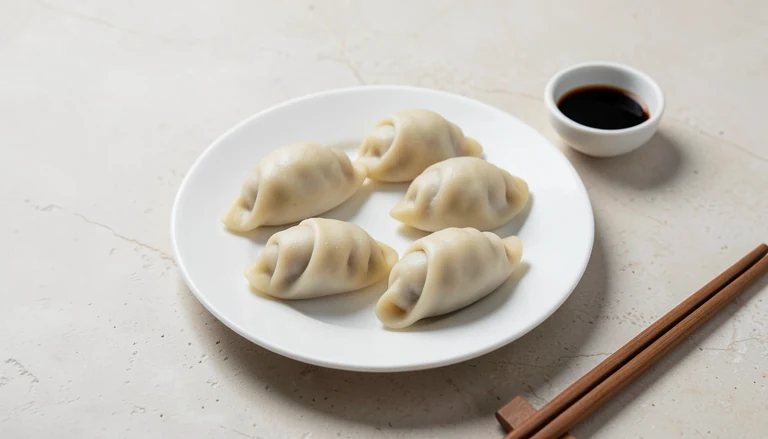
If you are comparing wontons with dumplings, start with the wrapper, filling and cooking method. The word dumpling covers a broad category, while this soup choice points to a particular format. Our separate comparison explores that naming question.
Egg drop soup: ribbons, broth and body
Bill Leung's restaurant-style egg drop soup at The Woks of Life combines chicken stock with beaten eggs, cornstarch, sesame oil and white pepper, with scallions at the finish. Drizzling egg into moving soup creates the ribbons. The recipe also makes the thickness adjustable, so texture is a useful question rather than a fixed rule.
Egg flower is another English name you may encounter for this style. Ask whether the kitchen's bowl is lightly thickened or more substantial and what additions it includes. The egg tells you about one ingredient; it does not identify the stock or every seasoning.
If you want an accompaniment without filled wrappers, egg drop may fit that preference. If you want to avoid pepper heat, ask about the seasoning even though the menu does not say hot. A soup without visible chilies can still contain white pepper.
Keep the garnish separate in your mental order. Crisp noodles offered alongside soup are an accompaniment; ask about them if their ingredients matter, and decide whether you want them for a texture contrast. Their presence does not change egg drop into a noodle soup.
Hot and sour: ask about pepper and chili separately
Sarah Leung's hot and sour soup at The Woks of Life uses chicken stock, pork, tofu, mushrooms, bamboo shoots, egg and other ingredients. It is thickened with cornstarch; vinegar provides sourness, and white pepper is central to the heat. Dried chili is an optional addition in that recipe, which makes pepper and chili separate ordering questions.
Daddy Lau's Made With Lau version provides an instructive contrast: it uses water, tofu, several mushrooms, vegetables and egg, with vinegar, white pepper and dried chilies. The authors identify their version as vegetarian. The two named recipes show that both the ingredient mixture and the broth base can change without changing the English soup name.
Ask: 'Does this have both white pepper and chili, and can either be adjusted?' If the kitchen prepares the soup in advance, an adjustment may not be available. Request an answer about the soup itself rather than relying on a note asking for chili oil on the side.
The sour element is another preference to describe. If you particularly want a tangy bowl, ask how the house soup is seasoned or whether a condiment can accompany it. This is a flavor choice, not evidence that every hot and sour soup belongs to one regional style or uses the same vinegar.
Check the complete preparation for vegetarian orders
None of the three English dish names guarantees vegetarian ingredients. For wonton soup, discuss filling and stock. For egg drop, eggs may suit your vegetarian order but the broth still needs confirmation. For hot and sour, tofu and mushrooms can appear beside meat or animal stock.
Use a specific question: 'Can this soup be prepared with no meat, seafood or animal stock, and what seasonings does it contain?' If eggs are also excluded, say so explicitly. Ask staff how the kitchen can meet your requirement; removing visible pieces after cooking does not answer what went into the broth.
A published vegetarian recipe proves that a version is possible, not that a restaurant serves it. If the kitchen cannot alter its soup, ask which other soup or dish it can prepare with the ingredients you need. Our vegetarian-ordering guide helps you carry those questions across the rest of the menu.
Choose soup alongside the rest of the table
My suggestion is to give soup one clear role in the order. If the table already has dumplings and noodles, egg drop or a small broth-based wonton serving may fit differently from a large wonton noodle bowl. If you want a tangy, peppery contrast, ask about the house hot and sour soup. If several diners prefer milder seasoning, check the actual heat before choosing one shared container.
Ask how the kitchen portions the soup and whether everyone needs an individual bowl. A pint, quart, cup or serving-for-two label describes a particular restaurant's format; confirm it when planning your table. You can order two soup types if people want different textures or seasonings, but check the rest of the food before making soup a second full meal.
For takeout, confirm that the selected soup name and serving size are the ones you intend. Wonton egg drop is a separate combination on Grace Garden's menu, for example. It may be exactly what you want, but it should be a deliberate choice rather than a substitute assumed from two familiar words.
- For filled wrappers: ask about wonton filling, broth, additions and portion.
- For egg ribbons: ask about stock, thickness and pepper seasoning.
- For tang and heat: ask about hot and sour soup's white pepper, chili, broth and ingredient mixture.
- For a shared order: confirm serving size, individual bowls and how the soup fits the other dishes.
Questions people ask
What are three common Chinese takeout soup names?
Wonton, egg drop and hot and sour are three familiar choices. This guide compares those menu formats rather than attempting a complete list of Chinese soups. Ask the restaurant about its own broth, ingredients and portion.
Is egg drop soup the same as wonton soup?
They offer different structures: egg ribbons versus filled wrappers in broth. Some menus also offer a wonton egg drop combination. Ask which preparation the item name refers to before ordering.
Does hot and sour soup get all its heat from chili?
No. White pepper supplies an important part of the heat in the cited recipes, which also allow or use chili. Ask about pepper and chili separately, especially if you need a milder bowl.
Which Chinese takeout soup is vegetarian?
The dish name alone cannot answer. Confirm stock, filling or meat, seasonings and eggs as relevant. Made With Lau publishes a vegetarian hot and sour example, but that is not proof of another kitchen's preparation.
Last reviewed
Sources & further reading
Background and preparation references. Our descriptions are editorial summaries, not restaurant reviews.
- The Woks of Life — Sarah Leung's simple wonton soup (opens in a new tab) ↗
- The Woks of Life — Bill Leung's egg drop soup (opens in a new tab) ↗
- The Woks of Life — Sarah Leung's hot and sour soup (opens in a new tab) ↗
- Made With Lau — Daddy Lau's vegetarian hot and sour soup (opens in a new tab) ↗
- Grace Garden, Gilbert — Operator soup menu (opens in a new tab) ↗